


-
Home
-
All Episodes
-
Classical Greek
Presocratics
- 1. Thales
- 2. Anaximander, Anaximenes
- 3. Xenophanes
- 4. Pythagoras
- 5. Heraclitus
- 6. McCabe on Heraclitus
- 7. Parmenides
- 8. Zeno and Melissus
- 9. Atomism
- 10. Anaxagoras
- 11. Empedocles
- 12. Schofield on Presocratics
- 13. Hippocrates
- 14. Sophists
- 500a. Johnson on Sappho
- 500b. Lane on Greek historians
Socrates and Plato
- 15. Socrates without Plato
- 16. Plato's Socrates
- 17. Woolf on Socrates
- 18. Plato's Life and Works
- 19. Charmides, Euthydemus
- 20. Plato's Gorgias
- 21. Plato's Meno
- 22. Plato's Theaetetus
- 23. McCabe on Plato
- 24. Plato's Phaedo
- 25. Plato's Republic pt.1
- 26. Plato's Republic pt.2
- 27. Plato's Parmenides
- 28. Leigh on the Sophist
- 29. Plato's Cratylus
- 30. Plato's Timaeus
- 31. Plato's Erotic Dialogues
- 32. Sheffield on Platonic Love
- 33. Plato on Myth
Aristotle
- 34. Aristotle's Life and Works
- 35. Aristotle's Logic
- 36. Aristotle's Epistemology
- 37. Hugh Benson on Aristotle
- 38. Aristotle on Substance
- 39. Aristotle's Four Causes
- 40. Aristotle's Physics
- 41. Sorabji on Aristotle
- 42. Aristotle on Soul
- 43. Aristotle's Biology
- 44. Aristotle's Ethics 1
- 45. Aristotle's Ethics 2
- 46. Scott on Aristotle
- 47. Aristotle on Mind and God
- 48. Political Philosophy
- 49. Rhetoric, Poetics
- 50. Aristotle on Plato
- 51. Successors
-
Later Antiquity
Hellenistic
- 52. Hellenistic Schools
- 53. The Cynics
- 54. The Cyrenaics
- 55. Epicurus' Principles
- 56. Epicurean Ethics
- 57. Epicurean Therapy
- 58. Lucretius
- 59. Warren on Epicurus
- 60. Stoic Logic
- 61. Stoic Epistemology
- 62. Stoic Physics
- 63. Stoic Ethics
- 64. Sedley on Stoicism
- 65. Seneca
- 66. Epictetus
- 67. Marcus Aurelius
- 68. Sellars on Roman Stoics
- 69. Pyrrho
- 70. New Academy
- 71. Cicero
- 72. Woolf on Cicero
- 73. Sextus Empiricius
- 74. Long on the Self
- 75. Ancient Medicine
- 76. Hankinson on Galen
Late Antiquity
- 77. Introduction
- 78. Middle Platonism
- 79. Philo of Alexandria
- 80. Plutarch
- 81. Opsomer on Platonism
- 82. Aristotelianism
- 83. Alexander of Aphrodisias
- 84. Rhetoric and Philosophy
- 85. Astronomy and Astrology
- 86. Cuomo on Mathematics
- 87. Plotinus Life and Works
- 88. Plotinus on the One
- 89. Plotinus on the Soul
- 90. Plotinus on Matter & Evil
- 91. Wilberding on Plotinus
- 92. Porphyry
- 93. Iamblichus
- 94. Proclus
- 95. Sheppard on Aesthetics
- 96. O'Meara on Neoplatonism
- 97. The Last Pagans
- 98. Philoponus
- 99. Sorabji - the Commentators
- 100. Ancient Culture
Ancient Christianity
- 101. Introduction
- 102. Greek Church Fathers
- 103. Origen
- 104. Cappadocians
- 105. Pseudo-Dionysius
- 106. Maximus the Confessor
- 107. Asceticism
- 108. Boys-Stones - Patristics
- 109. Latin Church Fathers
- 110. Augustine's Confessions
- 111. Augustine on Language
- 112. Augustine on Freedom
- 113. Augustine City of God
- 114. Byers on Augustine
- 115. Augustine on Mind
- 116. Brittain on Augustine
- 117. Latin Platonism
- 118. Boethius
- 119. Marenbon on Boethius
- 500c. Engberg-Pedersen on Paul
-
Islamic World
Formative Period
- 120. Philosophy and Islam
- 121. Mu'tazilites
- 122. Translation Movement
- 123. Al-Kindī
- 124. Judaism and Philosophy
- 125. Saadia Gaon
- 126. Al-RÄzÄ«
- 127. Pormann on Medicine
- 128. The Baghdad School
- 129. Al-FÄrÄbÄ«
- 130. Al-FÄrÄbÄ« Political
- 131. Black on al-FÄrÄbÄ«
- 132. Vision
- 133. Music and Philosophy
- 134. Arabic Ethics
- 135. The BÅ«yid Age
- 136. Daftary on IsmÄ'Ä«lism
- 137. Ash'arites
- 138. Avicenna's Life
- 139. Avicenna on Existence
- 140. Avicenna on God
- 141. Avicenna on Soul
- 142. Gutas on Avicenna
- 143. Al-GhazÄlÄ«
- 144. Al-GhazÄlÄ« "Incoherence"
- 145. Griffel on al-GhazÄlÄ«
- 500d. Ted Good on Zoroastrianism
Andalusia
- 146. Introduction
- 147. Islamic Law
- 148. Ibn Ṭufayl
- 149. Averroes
- 150. Arabic into Latin
- 151. Averroes on Intellect
- 152. Taylor on Averroes
- 153. Ibn 'Arabī's mysticism
- 154. Ibn Khaldūn
- 155. Ibn Gabirol
- 156. Pessin Jewish Platonism
- 157. Judah Hallevi
- 158. Freedom and Astrology
- 159. Ethics and Judaism
- 160. Maimonides
- 161. Maimonides on eternity
- 162. Stroumsa on Maimonides
- 163. Maimonides Controversy
- 164. Gersonides
- 165. Crescas
- 166. Rudavsky Interview
- 167. Book of Job
- 168. Kabbalah
- 169. Albo and Abravanel
- 170. Freudenthal Interview
Eastern Traditions
- 171. Introduction
- 172. Al-BaghdÄdÄ«
- 173. Fakhr al-DÄ«n al-RÄzÄ«
- 174. Suhrawardī
- 175. Illuminationism
- 176. Al-Ṭūsī
- 177. Existence Debate
- 178. Rūmī and Sufism
- 179. Rustom on Sufism
- 180. Logical Tradition
- 181. Ibn Taymiyya
- 182. Mongol Era
- 183. Shiraz
- 184. Wisnovsky Commentaries
- 185. Safavids
- 186. MullÄ á¹¢adrÄ on Existence
- 187. MullÄ á¹¢adrÄ on Motion
- 188. Rizvi on MullÄ á¹¢adrÄ
- 189. Islamic India
- 190. Ottoman Empire
- 191. European Encounters
- 192. Women and Islam
- 193. 'Abduh and IqbÄl
- 194. After á¹¢adrÄ
- 195. von Kügelgen Interview
-
Medieval
Early Medieval
- 196. Introduction
- 197. Carolingian Renaissance
- 198. Eriugena on Freedom
- 199. Eriugena's Periphyseon
- 200. Kraye and Marenbon
- 201. Gersh on Platonism
- 202. Roots of Scholasticism
- 203. Can God Change the Past?
- 204. Anselm's Life and Works
- 205. The Ontological Argument
- 206. Sweeney on Anselm
- 207. Problem of Universals
- 208. Heloise and Abelard
- 209. Abelard’s Ethics
- 210. Marenbon on Abelard
- 211. The Victorines
- 212. Debating the Trinity
- 213. Philosophy at Chartres
- 214. Philosophy of Nature
- 215. Medieval Podcasters
- 216. Individuation
- 217. Arlig on Mereology
- 218. Early Political
- 219. Gratian and Lombard
- 220. Humfress on Law
- 221. Hildegard of Bingen
- 222. Translations into Latin
- 223. Rise of the Universities
- 224. Emery on Institutions
- 500e. Watson on Ireland
Thirteenth Century
- 225. 13th Century Logic
- 226. 13th Century Physics
- 227. 13th Century Psychology
- 228. The Transcendentals
- 229. 13th Century Ethics
- 230. Robert Grosseteste
- 231. Roger Bacon
- 232. Burnett on Magic
- 233. Bonaventure
- 234. Peter Olivi
- 235. Toivanen on Animals
- 236. Franciscan Poverty
- 237. Hadewijch and Mechthild
- 238. Robert Kilwardby
- 239. Dutilh Novaes on Logic
- 240. Albert on Nature
- 241. Albert's Metaphysics
- 242. Cory on Self-Awareness
- 243. Thomas Aquinas
- 244. Aquinas Soul Knowledge
- 245. Ethics in Albert, Aquinas
- 246. The Rule of Law
- 247. Just War Theory
- 248. MacDonald on Aquinas
- 249. The Condemnations
- 250. Q&A
- 251. "Latin Averroism"
- 252. Eternity of the World
- 253. Speculative Grammar
- 254. Romance of the Rose
- 255. Speer Medieval Aesthetics
- 256. Henry of Ghent
- 257. Pickavé on Henry of Ghent
- 258. Trinity Eucharist
- 259. Cross on the Trinity
- 260. Scotus on Being
- 261. Scotus on Freedom
- 262. Scotus on Ethics
- 263. Scotus on Universals
- 264. Pini on Scotus
Fourteenth Century
- 265. Introduction to 14th c.
- 266. Pink on the Will
- 267. Marguerite Porete
- 268. Dante Alighieri
- 269. Church and State
- 270. Marsilius of Padua
- 271. Ockham Ethics Politics
- 272. Ockham’s Nominalism
- 273. Ockham on Mental Language
- 274. Brower-Toland on Ockham
- 275. Responses to Ockham
- 276. Foreknowledge
- 277. 14th Century Logic
- 278. Uckelman on Obligations
- 279. Oxford Calculators
- 280. 14th Century Physics
- 281. Green on Medicine
- 282. John Buridan
- 283. Zupko on Buridan
- 284. Autrecourt's Skepticism
- 285. Perler on Skepticism
- 286. Medieval Economic Theory
- 287. Meister Eckhart
- 288. German Dominicans
- 289. Angels
- 290. Pickavé on Emotions
- 291. English Mysticism
- 292. Chaucer and Langland
- 293. Gender and Sexuality
- 294. Davis on Chaucer
- 295. Jean Gerson
- 296. John Wyclif
- 297. Scholasticism in Europe
- 298. Ramon Llull and Petrarch
- 299. Pasnau on Substance
- 300a. Ancient Philosophy Today
- 300b Medieval Philosophy Today
-
Byzantine
Byzantine
- 301. Introduction
- 302. Syriac and Armenian
- 303. Iconoclasm
- 304. John of Damascus
- 305. Louth on John of Damascus
- 306. Photius
- 307. Michael Psellos
- 308. O'Meara on Psellos
- 309. John Italos
- 310. Political Philosophy
- 311. Rhetoric in Byzantium
- 312. Byzantine Historiography
- 313. Anna Komnene
- 314. Ierodiakonou Commentaries
- 315. Gender in Byzantium
- 316. Law, Money, and War
- 317. Manuscripts
- 318. Primavesi on Manuscripts
- 319. The Proclus Revival
- 320. Byzantium and Islam
- 321. Herrin Byzantium & Islam
- 322. Palaiologan Science
- 323. Palamas and Hesychasm
- 324. Latin in Byzantium
- 325. Gemistos Plethon
- 326. Later Orthodox
- 327. Trizio on East and West
-
Renaissance / Reformation
Italian Renaissance
- 328. Introduction
- 329. Greek Scholars in Italy
- 330. Italian Humanism
- 331. Lorenzo Valla
- 332. Kraye on Humanism
- 333. Humanist Ethics
- 334. Reviving Hellenistic
- 335. Ebbersmeyer on Emotions
- 336. Christine de Pizan
- 337. Italian Women Humanists
- 338. Defense of Women
- 339. Florentine Platonism
- 340. Marsilio Ficino
- 341. Theories of Love
- 342. Robichaud on Plato
- 343. Jewish Philosophy
- 344. Pico della Mirandola
- 345. Human Nature
- 346. Muratori on Animals
- 347. Savonarola
- 348. Civic Humanism
- 349. Machiavelli
- 350. Machiavelli Republicanism
- 351. Skinner on Machiavelli
- 352. Renaissance Histories
- 353. Italian Utopias
- 354. Renaissance Economics
- 355. Italian Universities
- 356. Aristotle Reception
- 357. Lines on Aristotle
- 358. Pomponazzi and Nifo
- 359. Zabarella
- 360. Hasse on Arabic Learning
- 361. Mathematics and Art
- 362. Renaissance Medicine
- 363. Cardano
- 364. Giglioni on Medicine
- 365. Telesio and Campanella
- 366. Magic and Astrology
- 367. Copenhaver on Magic
- 368. Giordano Bruno
- 369. Galileo and Renaissance
- 370. Rowland on Rome
Central Europe
- 371. Introduction
- 372. Printing Press
- 373. Northern Humanism
- 374. Nicholas of Cusa
- 375. Blum on Nicholas of Cusa
- 376. Erasmus
- 377. Northern Scholasticism
- 378. Martin Luther
- 379. Roper on Luther
- 380. Erasmus vs Luther
- 381. Melanchthon
- 382. The Peasants’ War
- 383. Huldrych Zwingli
- 384. John Calvin
- 385. Protestant Scholasticism
- 386. Cornelius Agrippa
- 387. Hattab on Protestantism
- 388. Paracelsus and Alchemy
- 389. Theories of Matter
- 390. Dutch Toleration
- 391. Lipsius and Stoicism
- 392. Sellars on Modern Stoics
- 393. Copernicus
- 394. Tycho Brahe
- 395. Kepler
- 396. Daston on Science
France
- 397. French Humanism
- 398. Marguerite of Navarre
- 399. Rabelais
- 400. Philosophy Podcasters
- 401. Logic and Language
- 402. Medicine
- 403. Peter Ramus
- 404. Goulding on Ramus
- 405. Ramism
- 406. Toleration in France
- 407. Antognazza on Toleration
- 408. The Huguenots
- 409. Jean Bodin
- 410. Blair on Bodin
- 411. Later French Humanism
- 412. Montaigne
- 413. French Skepticism
- 414. Lagerlund on Skepticism
- 415. Marie de Gournay
Britain
- 416. English Reformation
- 417. Scottish Reformation
- 418. MacCulloch on Britain
- 419. British Humanism
- 420. Thomas More
- 421. English Political
- 422. Richard Hooker
- 423. Elizabethan Poetry
- 424. Shakespeare
- 425. Gray on Shakespeare
- 426. Hamlet and Individualism
- 427. Tempest and Colonialism
- 428. Macbeth and Witchcraft
- 429. Women’s Spiritual Literat
- 430. British Scholasticism
- 431. Normore on Scholasticism
- 432. John Dee
- 433. Science in England
- 434. Theories of Vision
- 435. Gilbert and Magnetism
- 436. Robert Fludd
- 437. Rampling on Alchemy
Catholic Reformation
- 438. Introduction
- 439. The Inquisition
- 440. Exploration and Science
- 441. New World Debate
- 442. Williams on Disability
- 443. Iberian Humanism
- 444. Spanish Mysticism
- 445. The Jesuits
- 446. Aquinas Revival
- 447. Messmer Protestants Spain
- 448. Iberian Scholasticism
- 449. Tropia on Jesuits
- 450. Two Renaissance Artworks
- 451. Free will in Molina
- 452. Scholastic Metaphysics
- 453. Scholastic Law
- 454. Scholastic Politics
- 455. Pink on Suárez
- 456. Cervantes’ Don Quixote
- 457. Sabuco and Erculiani
- 458. The Cheese and the Worms
- 459. Bellarmine
- 460. Galileo's Trial
- 461. Reeves on Galileo
- Early Modern
-
India
Origins
- 1. Introduction
- 2. Historical Overview
- 3. The Vedic Period
- 4. The Upanisads
- 5. The Self in the Upanisads
- 6. Karma
- 7. Black on the Upanisads
- 8. Panini's Grammar
- 9. The Buddha
- 10. The Buddha’s Teaching
- 11. Kautilya and Ashoka
- 12. Gethin on Buddhism
- 13. The Mahabharata
- 14. The Bhagavad-Gita
- 15. Non-Violence
- 16. Women in Ancient India
- 17. Frazier on Hinduism
Age of the Sutra
- 18. Age of the Sutra
- 19. Rise of Skepticism
- 20. Mimamsa-Sutra
- 21. Mimamsa on Knowledge
- 22. Freschi on Mimamsa
- 23. Vedanta-Sutra
- 24. Advaita Vedanta
- 25. Bhartrihari on Language
- 26. Clooney on Vedanta
- 27. Samkhya
- 28. Ayurvedic Medicine
- 29. Yoga-Sutra
- 30. Maas on Yoga
- 31. Nyaya-Sutra
- 32. Nyaya on Perception
- 33. Nyaya on Reasoning
- 34. Nyaya on the Mind
- 35. Jha and Jha on Nyaya
- 36. Vaisesika-Sutra
- 37. Vaisesika on Complexity
- 38. Theories of Time
- 39. Naturalism
- 40. Materialism
- 41. Chadha on Mind
- 42. Aesthetics of Rasa
Buddhists and Jains
- 43. Buddhists and Jains
- 44. Nagarjuna on Emptiness
- 45. Nagarjuna on Change
- 46. Nagarjuna’s Tetralemma
- 47. Westerhoff on Nagarjuna
- 48. Jain Theory of Standpoints
- 49. Jains on Truth
- 50. Gorisse Jain Epistemology
- 51. Vasubandhu and Yogacara
- 52. Dignaga on Perception
- 53. Dignaga's Logic
- 54. Graham Priest on Buddhism
- 55. Dignaga on Consciousness
- 56. Buddhaghosa
- 57. Tantra
- 58. Carpenter on Animals
- 59. Indian Influence on Greece
- 60. Influence on Islam, Europe
- 61. Later Indian Philosophy
- 62. Kit Patrick
-
Africana
Precolonial
- 1. Introduction
- 2. Prehistoric Africa
- 3. Ancient Mesopotamia
- 4. Ancient Egypt
- 5. Egyptian Instructions
- 6. Egyptian Narratives
- 7. Parkinson on Egypt
- 8. Early Ethiopian Philosophy
- 9. Zera Yacob
- 10. Walda Heywat
- 11. Kiros on Ethiopia
- 12. Subsaharan Islam
- 13. Sokoto Caliphate
- 14. Diagne on Islam in Africa
- 15. Oral Philosophy in Africa
- 16. Imbo on Okot p'Bitek
- 17. Philosophy of Time
- 18. God in African Philosophy
- 19. Philosophy of the Person
- 20. Communalism
- 21. Divination and Witchcraft
- 22. Gender in Africa
- 23. Nzegwu on Gender
- 24. Professional School
- 25. Sage Philosophy
- 26. Kresse on Anthropology
- 27. Beyond the Reaction
- 28. Jeffers African Philosophy
Slavery / Diaspora
- 29. Introduction
- 30. Anton Wilhelm Amo
- 31. Smith on Amo
- 32. Early Writing in English
- 33. Phillis Wheatley
- 34. Lemuel Haynes
- 35. Sancho and Banneker
- 36. Cugoano and Equiano
- 37. Haitian Revolution
- 38. Baron de Vastey
- 39. Garraway on Haiti
- 40. Early Black Institutions
- 41. Colonization Controversy
- 42. Sidbury African Identity
- 43. David Walker
- 44. Maria W. Stewart
- 45. Hosea Easton
- 46. Rogers Political Thought
- 47. Frederick Douglass
- 48. Douglass Speeches
- 49. Henry Highland Garnet
- 50. Martin Delany
- 51. Truth and Harper
- 52. Emigration to Canada
- 53. Alexander Crummell
- 54. Moses on Nationalism
- 55. Africanus Horton
- 56. Edward Blyden
- 57. T. Thomas Fortune
- 58. Anténor Firmin
- 59. Thomas and Durham
- 60. Abolitionism in Brazil
- 61. Anna Julia Cooper
- 62. Ida B. Wells
- 63. Cooper on Women Activists
- 64. Henry McNeal Turner
- 65. Booker T. Washington
- 66. Introducing Du Bois
- 67. Jeffers on Part Two
Africana 20th Century
- 68. Introduction
- 69. American Negro Academy
- 70. Curry on Early 20th C.
- 71. West African Intellectuals
- 72. African American Socialism
- 73. Wills on Marxism
- 74. Marcus Garvey
- 75. Two Amy Garveys
- 76. Dawson on Garvey
- 77. Harlem Renaissance
- 78. Alain Locke
- 79. Harris on Locke
- 80. Professional Philosophers
- 81. Carter G. Woodson
- 82. Zora Neale Hurston
- 83. The Negro Spiritual
- 84. Later Du Bois
- 85. Bright on Du Bois
- 86. Negritude
- 87. Leopold Senghor
- 88. Aimé and Suzanne Césaire
- 89. E. Franklin Frazier
- 90. C.L.R. James
- 91. Cox and Williams
- 92. Claudia Jones
- 93. Boyce Davies on Jones
- 94. Richard Wright
- 95. Ralph Ellison
- 96. James Baldwin
- 97. Martin Luther King Jr
- 98. Krishnamurthy on King
- 99. Malcolm X
- 100. Jeffers on Part Three
- 101. Later Malcolm X and MLK
- 102. Juan Rene Betancourt
- 103. Azikiwe & Awolowo
- 104. Kwame Nkrumah
- 105. Fanon Black Skin
- 106. Fanon Wretched
- 107. Gordon on Fanon
- 108. Lorraine Hansberry
- 109. Black Power
- 110. Black Panthers
- 111. Maulana Karenga
- 112. Black Arts Movement
- 113. Black Theology
- 114. Julius Nyerere
- 115. AmÃlcar Cabral
- 116. Taiwo x 2 on Cabral
- 117. Mandela and the ANC
- 118. Nascimento
- 119. Afrofuturism
- 120. Reggae & Rastafari
- 121. Kuti and Soyinka
- 122. Steve Biko
- 123. Walter Rodney
- 124. Black Feminism
- 125. Angelou, Morrison, Walker
- 126. Angela Davis
- 127. Audre Lorde
- 128. hooks and Collins
- 129. Ngũgĩ wa Thiong'o
- 130. Ngũgĩ interview
- 131. Cultural Studies
- 132. Glissant and Créolité
- 133. Drabinski on Glissant
- 134. Cedric Robinson
- 135. Sylvia Wynter
- 136. African-Centered Thought
- 137. Asante’s Afrocentricity
- 138. Critical Race Theory
- 139. Cornel West
- 140. Cornel West Interview
- 141. Professional Philosophy
- 142. Final Chat with Chike
- China
-
Search ⌕
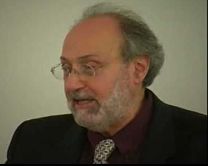
142 - Dimitri Gutas on Avicenna
Peter talks to leading Avicenna scholar Dimitri Gutas about Avicenna's sources, philosophical methods, and influence.
 .


Themes:
• D. Gutas, Avicenna and the Aristotelian Tradition: Introduction to Reading Avicenna’s Philosophical Works (Leiden: 1988, 2nd revised ed. 2014).
• D. Gutas, Greek Philosophers in the Arabic Tradition (Aldershot: 2000).
• D. Gutas, “Avicenna’s Eastern (‘Oriental’) Philosophy: Nature, Contents, Transmission,†Arabic Sciences and Philosophy 10 (2000), 159‑80.
• D. Gutas, “Intuition and Thinking: The Evolving Structure of Avicenna’s Epistemology,†in R. Wisnovsky (ed.), Aspects of Avicenna (Princeton: 2001), 1-38.
• D. Gutas, “The Heritage of Avicenna: The Golden Age of Arabic Philosophy, 1000‑ca. 1350,†in J.L. Janssens and D. De Smet (eds), Avicenna and His Heritage (Leuven: 2002), 81-97.
• D. Gutas, “Intellect Without Limits: The Absence of Mysticism in Avicenna,†in M. Cândida-Pacheco and J. Francisco-Meirinhos (eds), Intellect et Imagination dans la Philosophie Médiévale (Turnhout: 2006), vol.1, 351-72.
• D. Gutas, “Avicenna’s Philosophical Project,†in P. Adamson (ed.), Interpreting Avicenna (Cambridge: 2013), 28-47.



Comments
Mystics or Anti-Mystics?
Thank you very much Dr. Adamson and Dr. Gutas for the enlightening peek into the thought of Ibn Sina. I am commenting however because I am very curious to better understand your interpretation of Avicenna as a non-mystical philosopher, as it is an interpretation that "mystifies" (pun-intended) me in some ways. Dr. Gutas in his book seems to argue that Ibn Sina rationalized mystical and prophetic intuition and in doing so de-mystified them, but I struggle to feel like that explanation truly does justice to figures like Avicenna or honestly any of the ancient philosophers. Mainly, I worry that this interpretation somewhat anachronistically projects a modern sense of what it means to be "rational" - a very secular, material scienticism - onto figures whom, from what I can tell, understood the hight of rationality to be achieving what strikes me as an exceptionally mystical state of union with what is literally the Divine's Intellect itself. While I am commenting on this podcast on Ibn Sina, this issue extends in my view as far back as philosophers as Aristotle and Plato, who with their conception of unmoved-movers who rotate the spheres by inspiring them or of transcendant principles of "The Good" that emenate perfection unto the world, seem to be to full of ideas that do not pass at all as strictly "rational" in the modern sense but rather strike me as deeply permeated with religious, otherworldly and, perhaps, "mystical" thought. How in your view does this state of union with the world intellect differs in essence from, for instance, the Sufis objective of union with the Divine itself in order to have access to what they term "haqiqah/haqa'iq", the unveiled reality of all things, essences, and objects? At the heart of this inquiry is a much greater question that I feel is relevant to these podcasts and the treatment of these figures, being simply, how is it you are defining the idea of "mysticism" when you say that you feel that figures like Plato, Plotinus, and Ibn Sina have had in your view the "mystical" aspects of their doctrine exaggerated or interpolated? I think this is a very important question to examine.
A recurring question emerges regarding physical prayer (á¹£alÄt)
Dear Professor Adamson,
I have been studying Ibn SÄ«nÄ's (Avicenna) philosophy of prayer and worship across several secondary sources—Idris Zakaria's article on the benefits of worship to the masses, Fazlur Rahman's analysis of prayer and theurgy, Janne Mattila's study of philosophical prayer, and Dimitri Gutas's work on the epistemological function of prayer through the theory of ḥads.
A recurring question emerges regarding physical prayer (á¹£alÄt) for the philosopher (al-khÄṣṣa) :
The Central Question
What is the precise nature and purpose of physical prayer for the philosopher in Avicenna's system?
From my reading, I see at least three possible interpretations, and I would like your guidance on which is most accurate, or how they might be reconciled:
1. Is Physical Prayer Merely a Social Obligation?
2. Is Physical Prayer a Preparatory Exercise for Purification?
3. Is Physical Prayer a Lower Rung on a Ladder to Inward Contemplation?
Since the philosopher already knows God intellectually, does physical prayer serve any purpose beyond social conformity? Or is the philosopher, as al-FÄrÄbÄ« states, required to observe the law simply because he cannot institute a new one? Does Avicenna mean that the philosopher outgrows physical prayer once the soul is sufficiently purified? Or must the philosopher continue practicing physical prayer throughout life as a form of maintenance and discipline?