Researching Social Movements to Understand Their Impact
Social Change Lab studies social movements to understand what makes them effective — and shares what we learn with activists, researchers, funders, and the public. Our peer-reviewed research builds a clearer, evidence-based picture of how social change happens.
Read our research
Why study social movements?
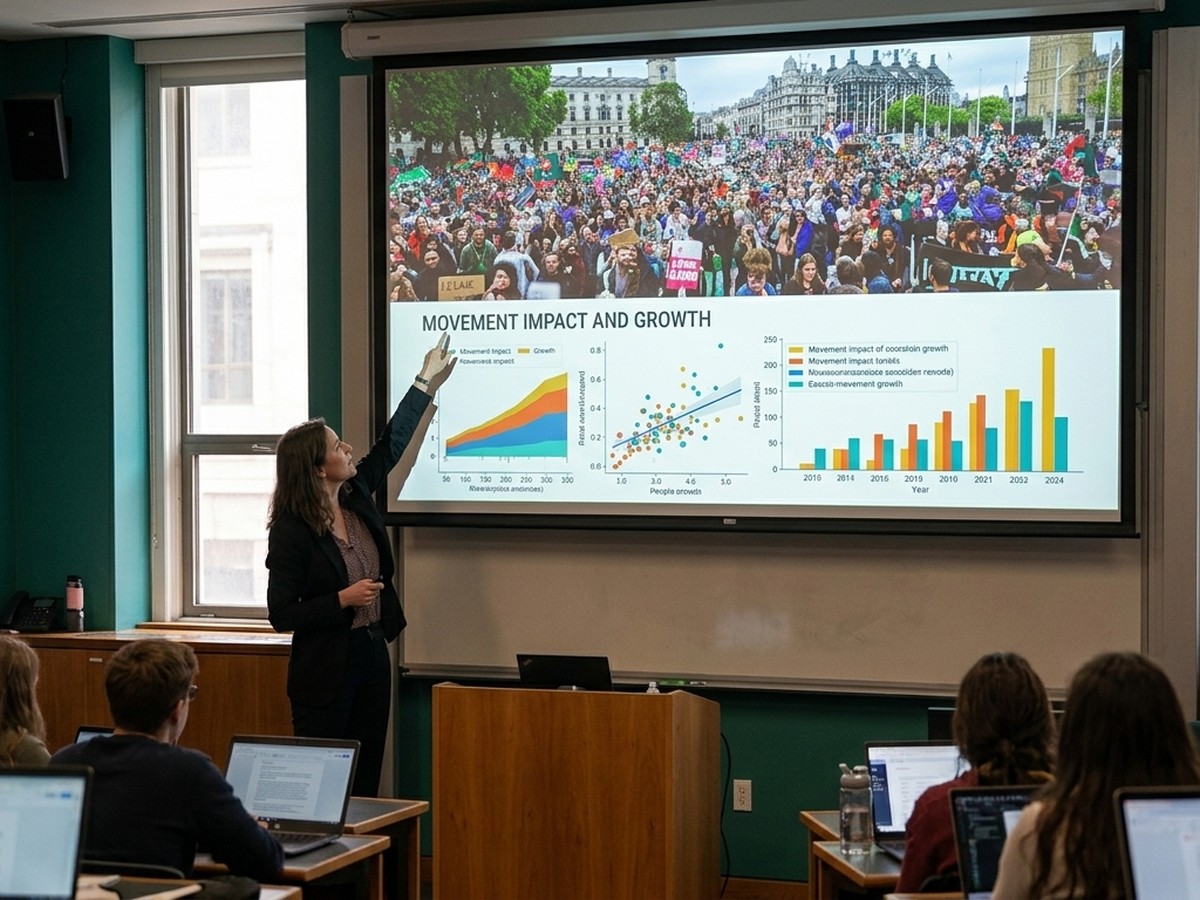
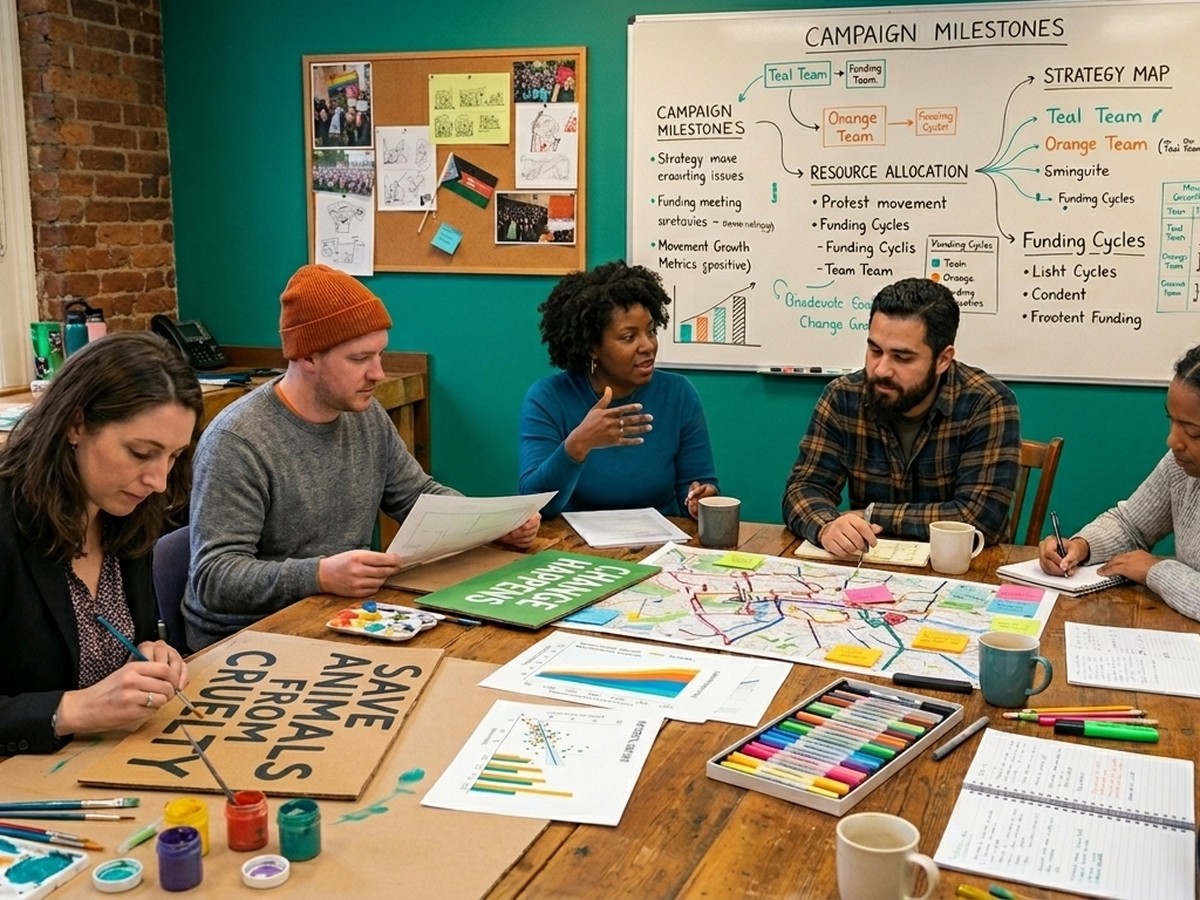
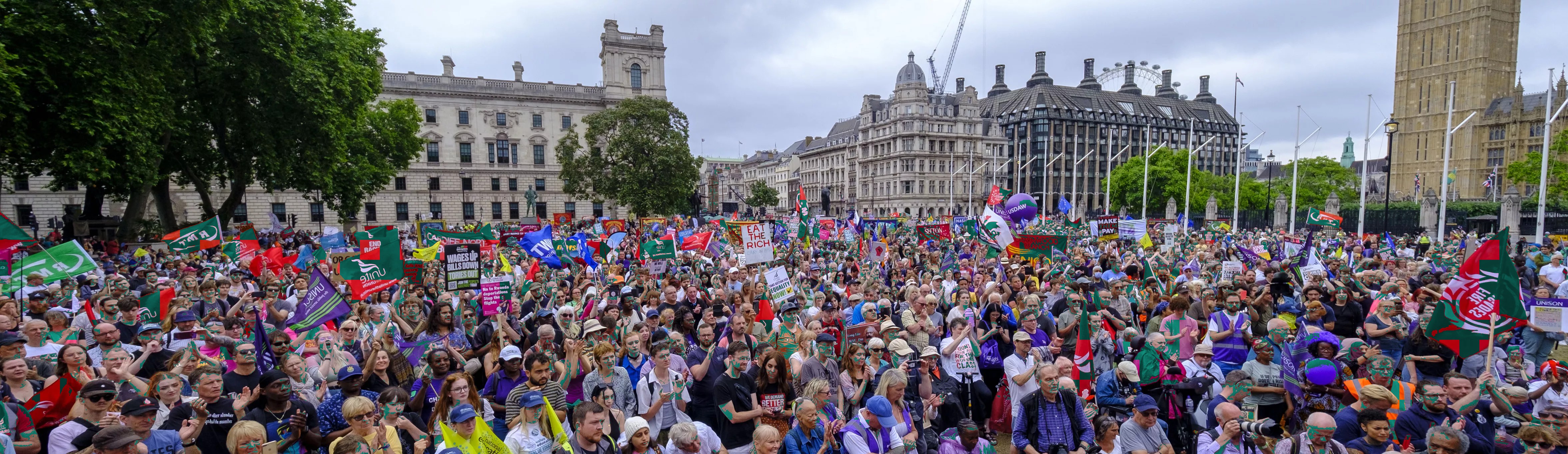
Social movements have always been at the heart of progress. Yet remarkably little rigorous research exists on the role they play in social change.
The Problem
Evidence gap
Movements operate in the dark. Most campaign groups have no access to rigorous evidence on which tactics, messages, or strategies are most likely to succeed.
A funding gap
Funders who want to support activism lack the data they need to direct resources effectively.
Wasted potential
Without evidence, movements risk repeating ineffective tactics and missing the strategies that could make the biggest difference.
What We Do About It
Rigorous research
We run nationally representative polls, randomised controlled trials, campaign evaluations and multi-country analyses.
Sharing our findings
We translate research into practical guidance through workshops, trainings, and open-access tools.
Building the evidence base
We publish in peer-reviewed journals and make all our work open access, so that activists, funders, journalists, and the wider public can understand what works and the role movements play in social change.
As a research org that advises on policy, I find Social Change Lab's research invaluable. I see it as foundational research that should have been done by academics decades ago.
It forced us to interrogate our theory of change.
Latest Research
View all →
Data centers as a new frontier for the climate movement
Communities fighting data center expansion, and AI infrastructure as an emerging organising opportunity for the climate movement.
Read more →
Why climate adaptation could be the movement's missing mobiliser
How community-led adaptation could engage broader audiences, with strategic recommendations for the climate movement.
Read more →
Which AI harms & risks will mobilise the public to act?
A UK randomised controlled trial with 3,467 participants. Environmental harms and bias are the most effective framings for mobilising action on AI.
Read more →Resources
View all resources →
Activists Resource Hub
A curated website of resources available to activists and campaigners — from guidance on writing press releases to finding training, building a caring organisational culture, and finding a fiscal host.
Visit the site
The Rebel's Notebook
A data-driven recommender system created by Jasper Huitink, designed to give activists and campaigners evidence-based strategic intelligence to inform their work.
Visit the site
Curbing the fossil fuel industry: tactic sheets
16 downloadable sheets for activists working to hold fossil fuel companies to account, covering how each tactic works and its theory of change.
Read moreAs featured in