');
doc.close();
}
}
this.iframeload = function () {
var iframe = document.getElementById(iframeId);
iframe.style.display = '';
setTimeout(function () {
setIframeHeight(initialResizeCallback);
}, 20);
}
function getDocHeight(doc) {
var contentDiv = doc.getElementById("iframeContent");
var docHeight = 0;
if(contentDiv){
docHeight = Math.max(
contentDiv.scrollHeight,
contentDiv.offsetHeight,
contentDiv.clientHeight
);
}
return docHeight;
}
function setIframeHeight(resizeCallback) {
var iframeDoc, iframe = document.getElementById(iframeId);
iframeDoc = ((iframe.contentWindow && iframe.contentWindow.document) || iframe.contentDocument);
if (iframeDoc) {
var h = getDocHeight(iframeDoc);
if (h && h != 0) {
iframe.style.height = parseInt(h) + 'px';
if(typeof resizeCallback == "function") {
resizeCallback(iframeId);
}
} else if (nTries < MAX_TRIES) {
nTries++;
setTimeout(function () {
setIframeHeight(resizeCallback);
}, 50);
}
}
}
this.resizeIframe = function(resizeCallback) {
nTries = 0;
setIframeHeight(resizeCallback);
}
}
return DynamicIframe;
});
Purchase options and add-ons
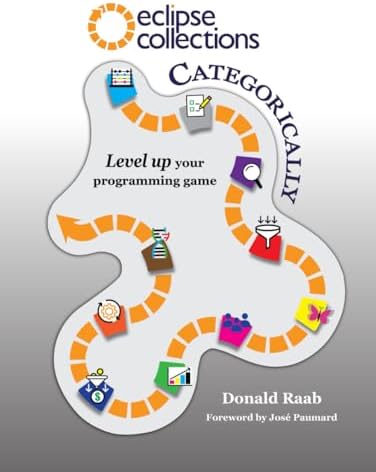
For Java developers, this is a book for your desk, not just your bookshelf. With over 200 color syntax highlighted code examples, Eclipse Collections Categorically shows how to make your Java collections code easier to write and review. More than a coder’s cookbook, Eclipse Collections Categorically recounts how the author organized a formidable Java interface with over a hundred methods into basic functional categories, such as counting, filtering, aggregating, and converting.
It’s a chronicle of one developer’s journey, interwoven with insights into how code can be written concisely and with elegance. It details strategies for making a large-scale application programming interface easier for developers to understand. A bird’s-eye view of the Eclipse Collections open source library and its counterparts coupled with a street-level take on the design decisions that go into creating and enhancing an API of any kind, in any language.
Collections handling is at the heart of computing. The algorithms for creating, inspecting, converting, filtering and combining data collections are vital parts of any developer’s toolkit. In an object-oriented language, collections can and should be more than simply receptacles for data. They can also incorporate the actions—the methods—for acting on the data they hold. The collections themselves provide the necessary logic. That is one key innovation of Eclipse Collections for Java developers.
Brief content visible, double tap to read full content.
Full content visible, double tap to read brief content.
Donald Raab, creator of an open source Java library named Eclipse Collections, is an international Java and open source conference speaker. With thirty-five years of experience programming in twenty different programming languages, he was recognized in 2018 as a Java Champion. Donald remains a project lead and committer for the Eclipse Collections project. Donald was a contributing author to "97 Things Every Java Programmer Should Know" from O'Reilly Media.







 Report an issue with this product or seller