

Dario Rodighiero’s mode of inquiry is knowledge design, which borrows its questions from digital humanities, its visual grammar from information design, and its public address from science communication. Two strands organize the work: one focuses on research communities, as in Mapping Affinities and Grounding AI Map, and one turns to cultural heritage, as in Surprise Machines and the Map of the Analogous City. Across both strands, digital archives are transformed into a form others can read, question, and reuse.
At the University of Groningen, he is Assistant Professor of Science and Technology Studies at Campus Fryslân, its interdisciplinary faculty. There he coordinates the minor Data Wise and teaches data and visual literacy in the bachelor’s program Data Science and Society. He is a principal at metaLAB (at) Harvard / Berlin / Basel, a center engaged in critical and creative practice across the disciplinary grid. He is co-chair of VISAP, the IEEE VIS Arts Program, for the 2025 and 2026 editions in Vienna and Boston, respectively.
Dario is an alumnus of MIT, Harvard, and EPFL, where he attended the doctoral program in Architecture and Sciences of the City. He held research positions at the Berkman Klein Center, the European Commission’s Joint Research Centre, and Sciences Po, taught at Paris-Sorbonne University and the Free University of Bozen-Bolzano, and was visiting professor at FU Berlin and Paris Nanterre University. Dario has lectured at CERN and Ars Electronica and exhibited at MAXXI and the Harvard Art Museums.
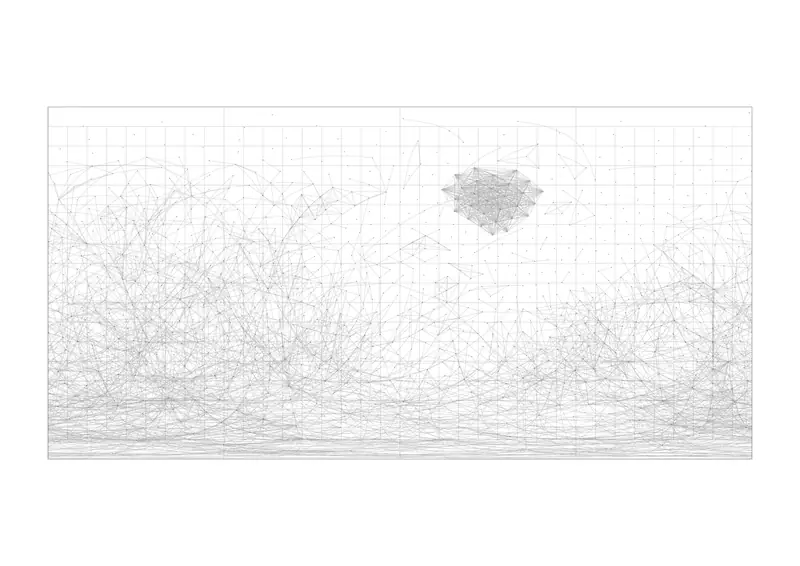
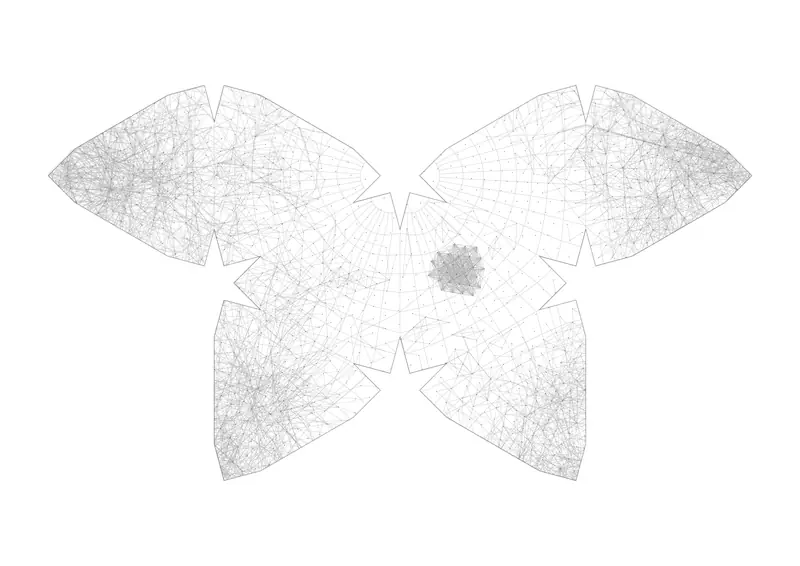
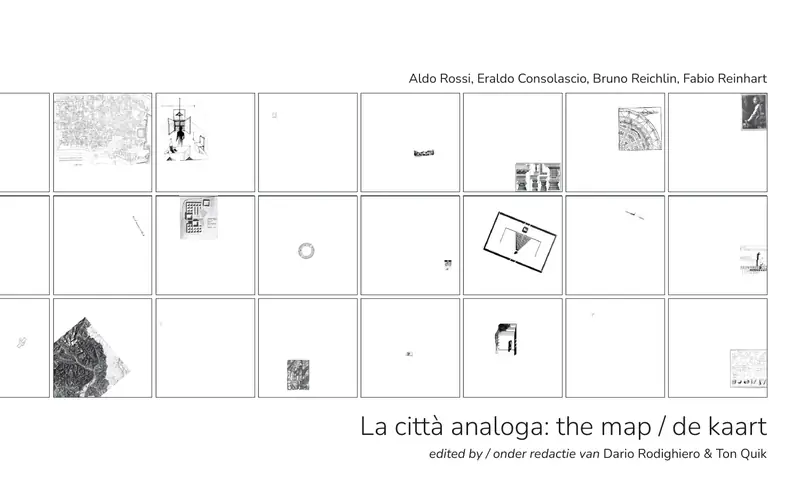
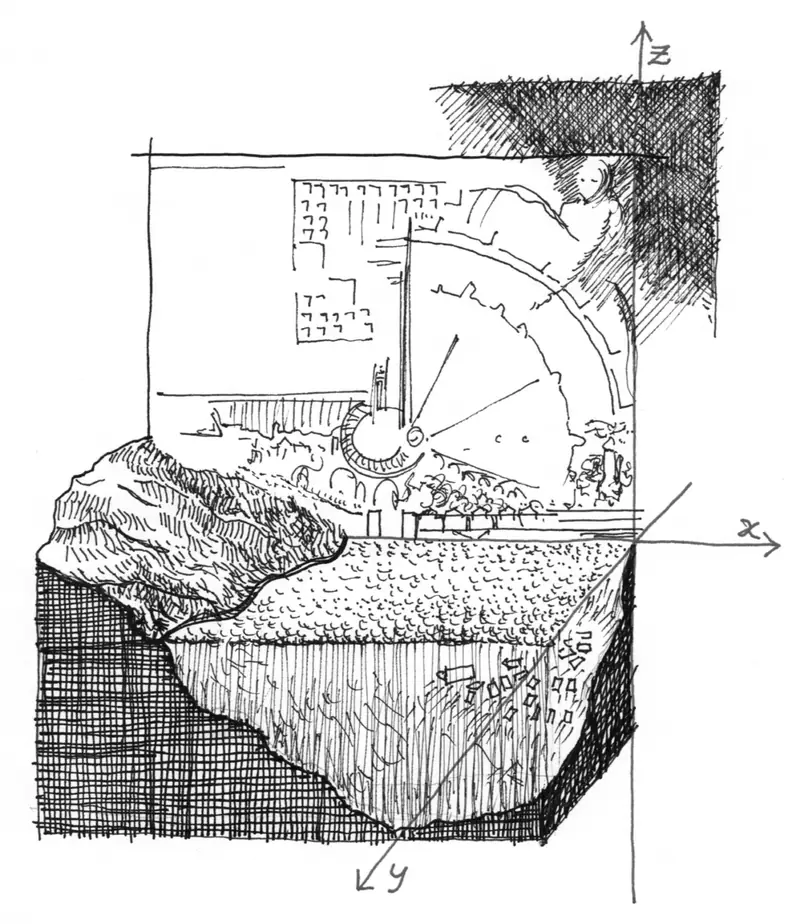
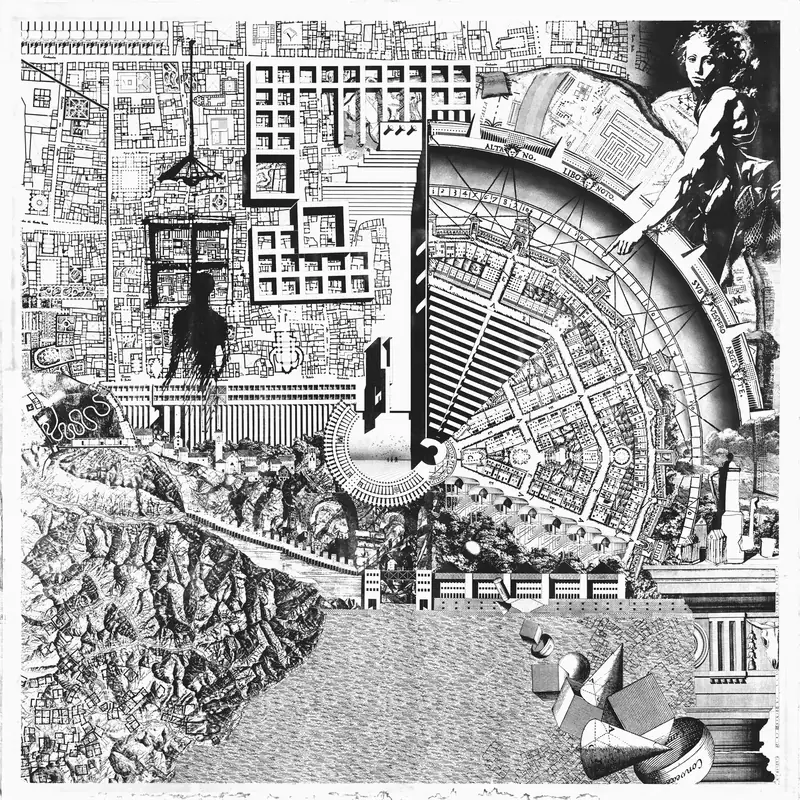
La città analoga: the map / de kaart (Second revised edition)
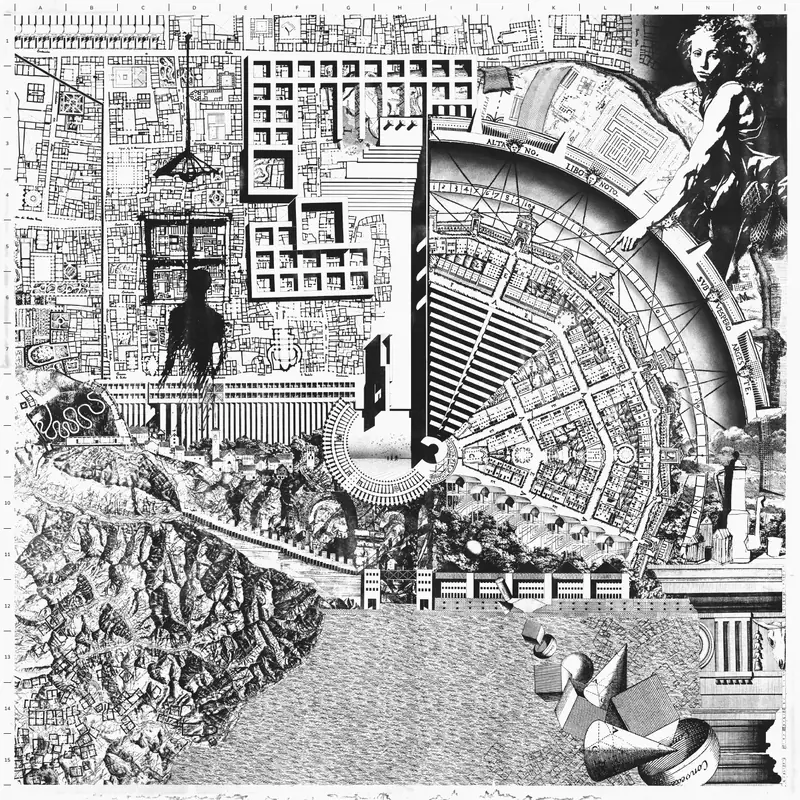
La città analoga: the map / de kaart (Tweede herziene editie)
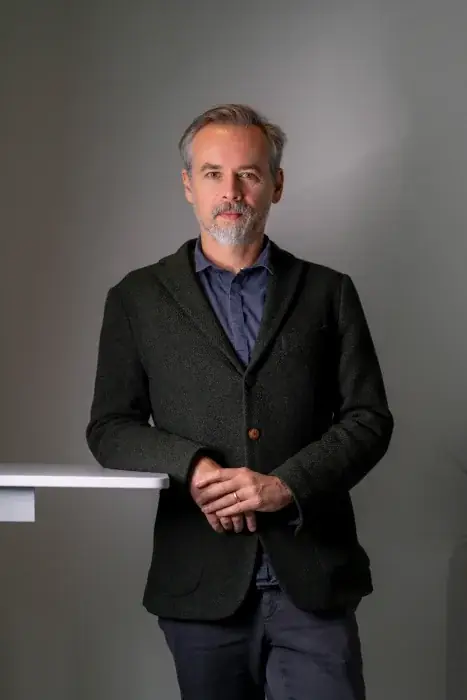
Combining Complex Data with Creativity: Interview JTS Scholar Dario Rodighiero
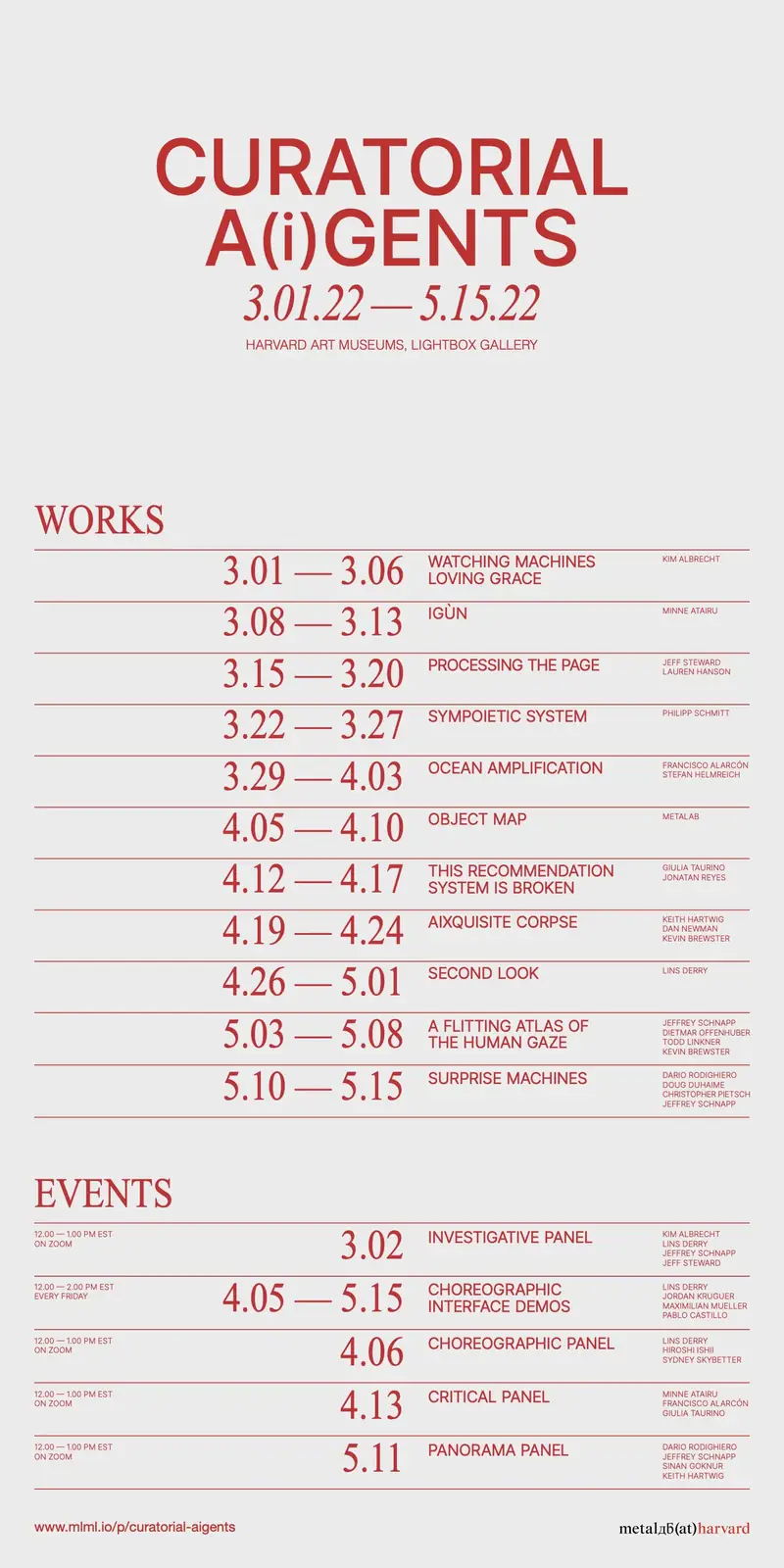
Curatorial A(i)gents: Experimenting AI and Curatorship at the Harvard Art Museums
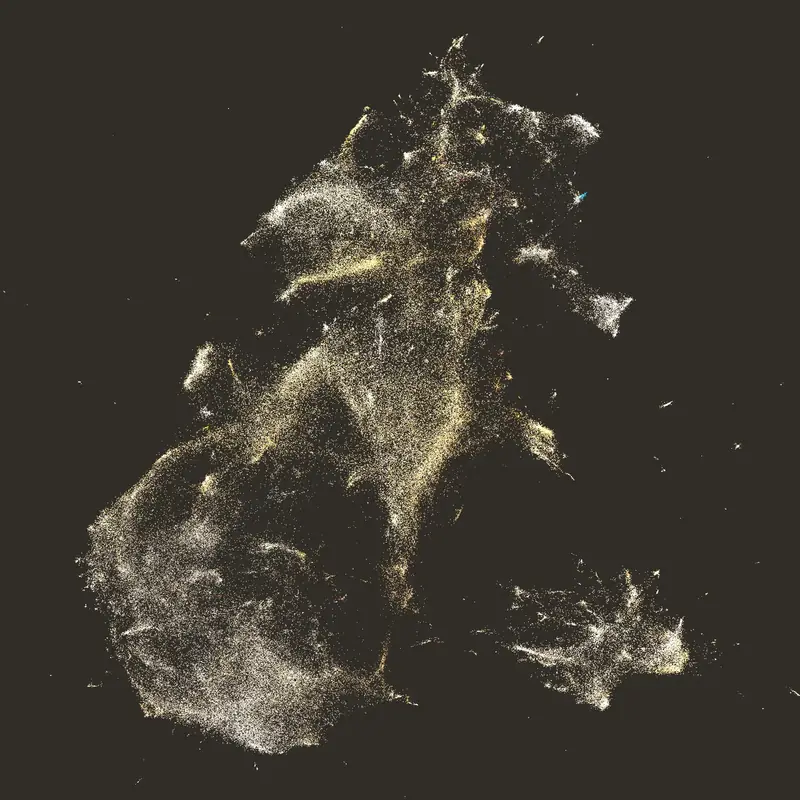
Surprise Machines: visualizzare le immagini d’archivio degli Harvard Art Museums
Vers une littératie des données dans l’espace public : la cartographie du coronavirus dans Ars Electronica 2021
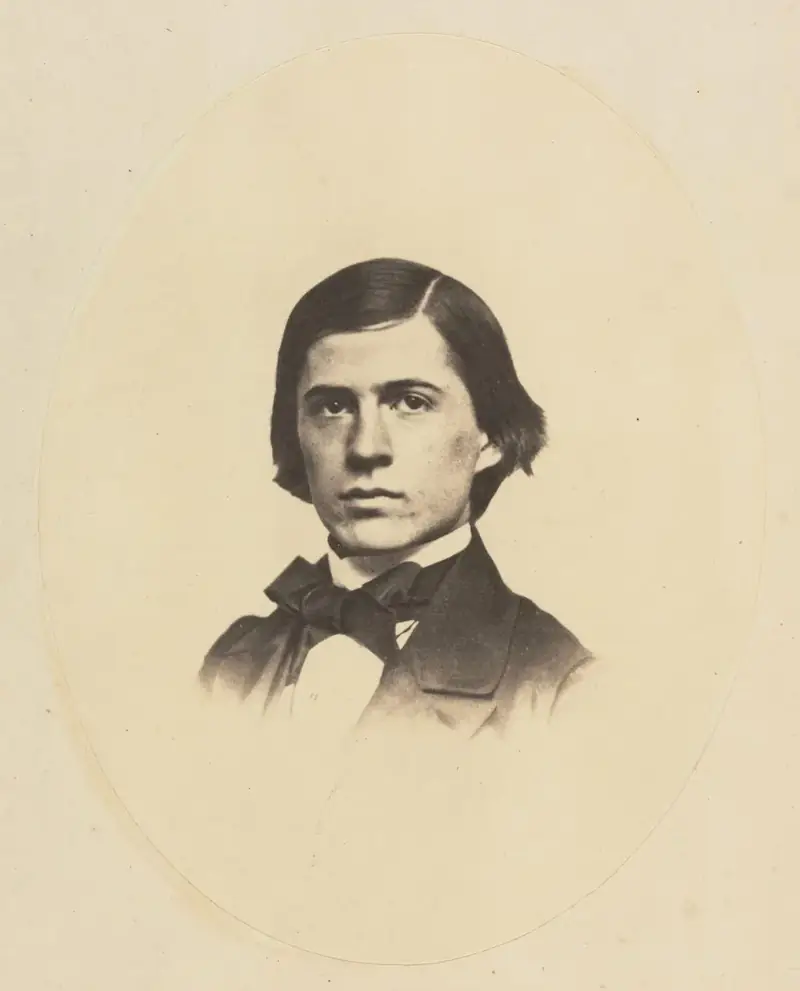
Peirce Interprets Peirce: Digitization, Automation, and Interpretation in Charles Peirce’s Manuscripts
Grounding AI: Exploring the Role of Algorithms in Science
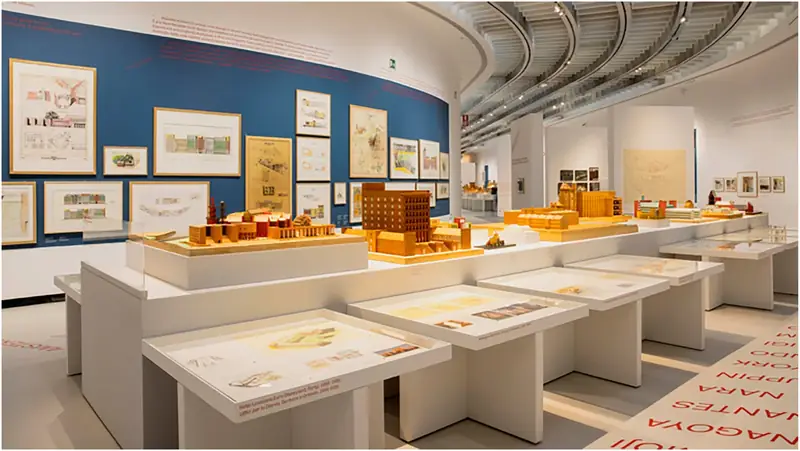
Archives, Museums, and Installations: Aldo Rossi’s Legacy in Digital Transition
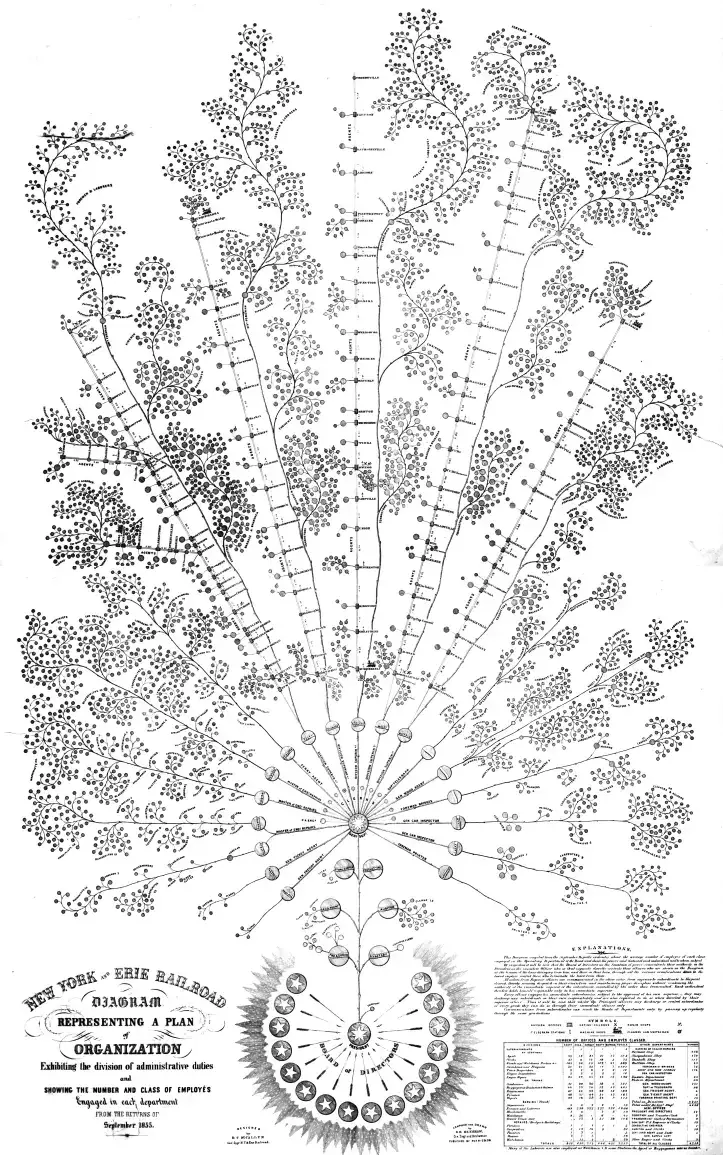
Four Guiding Principles for Rethinking Organizational Charts
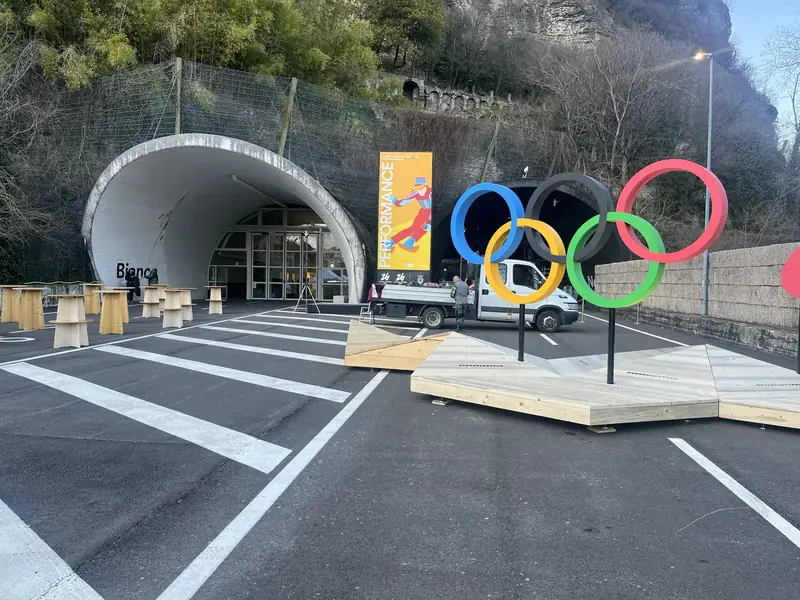
Data Storytelling: A Visual Historiography of Winter Olympic Games
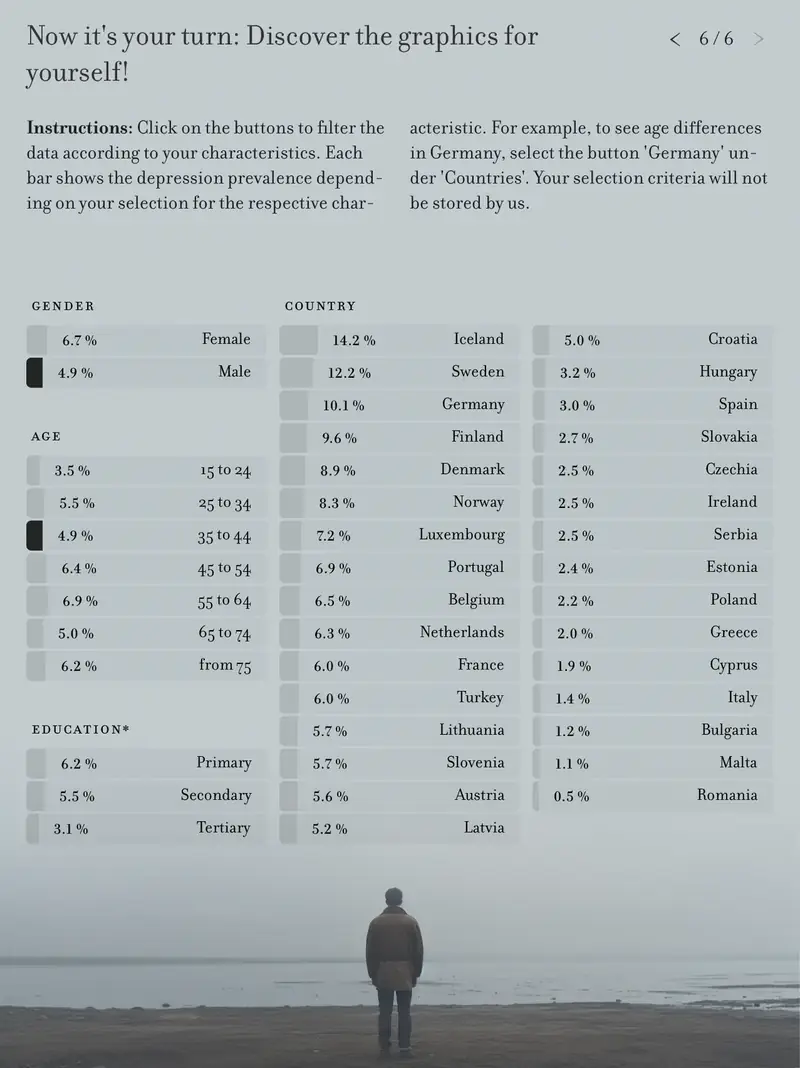
AI-Generated Images for Representing Individuals: Navigating the Thin Line between Care and Bias
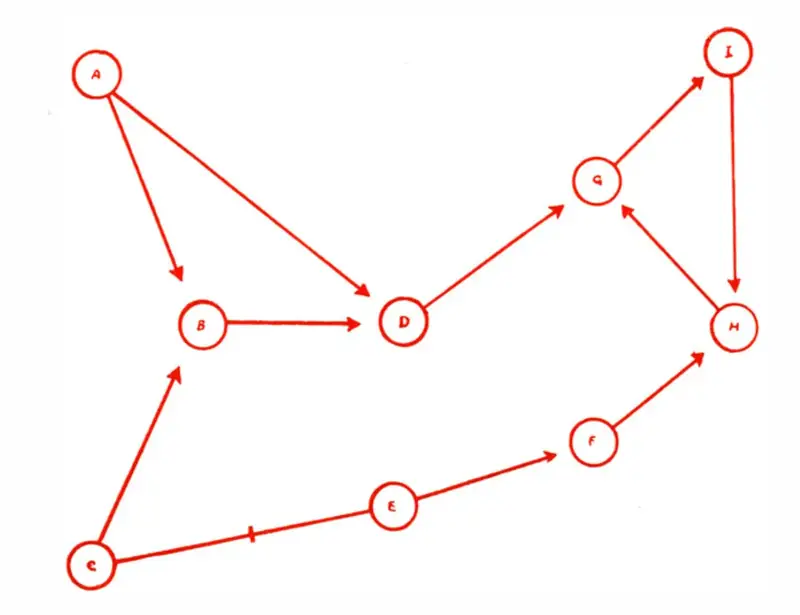
Choreography, Design, and Technology: An Interview with Lins Derry from the metaLAB (at) Harvard
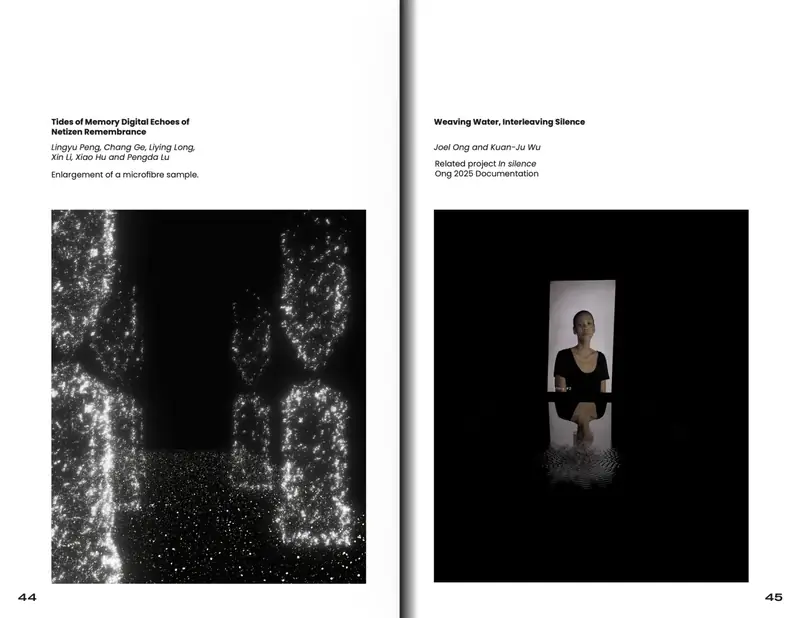
Collective Care: VISAP ’25 Catalog
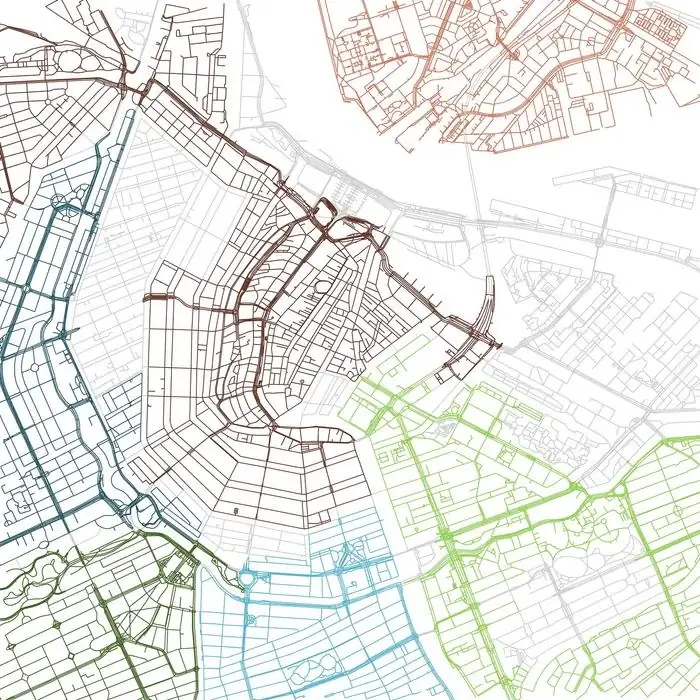
Experiments of Network Literacy for Urban Designers: Bridging Information Design and Spatial Morphology
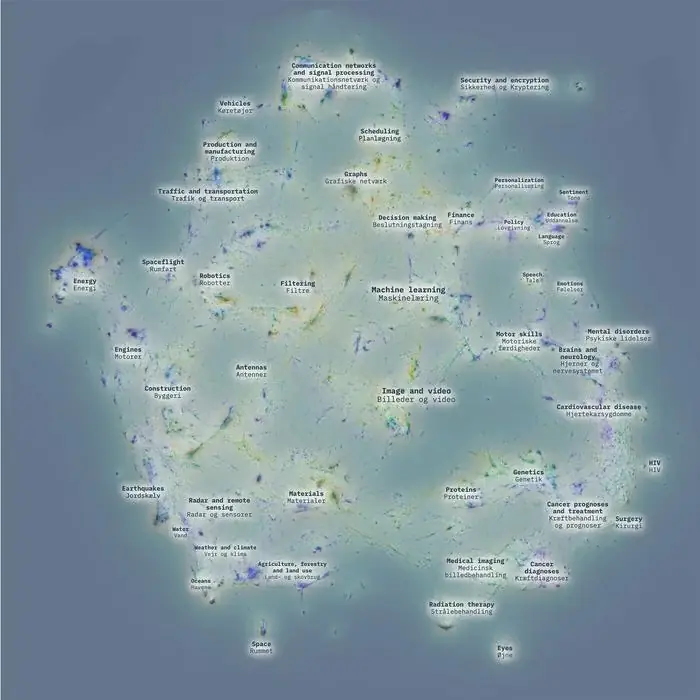
Grounding AI Map: The Consequences of Living with the Trouble of an Irreductionist Map
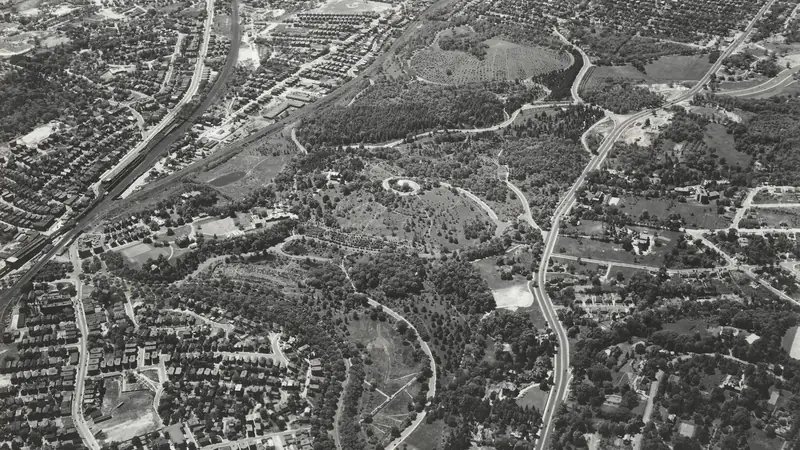
Living Library of Trees: Mapping Knowledge Ecology in Arnold Arboretum
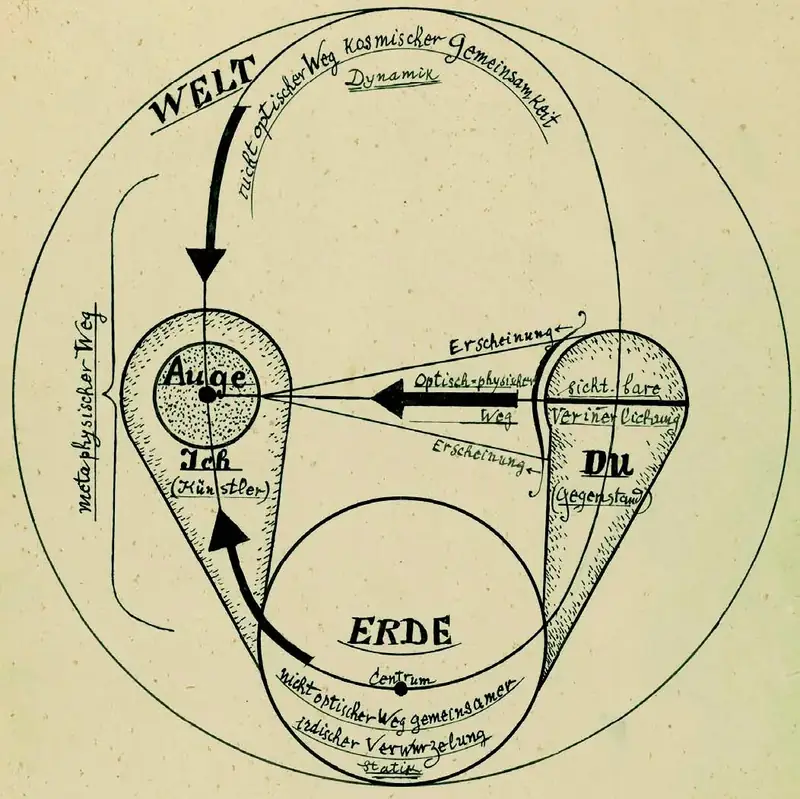
Moving Pictures of Thought: Extracting Visual Knowledge in Charles S. Peirce’s Manuscripts with Vision-Language Models
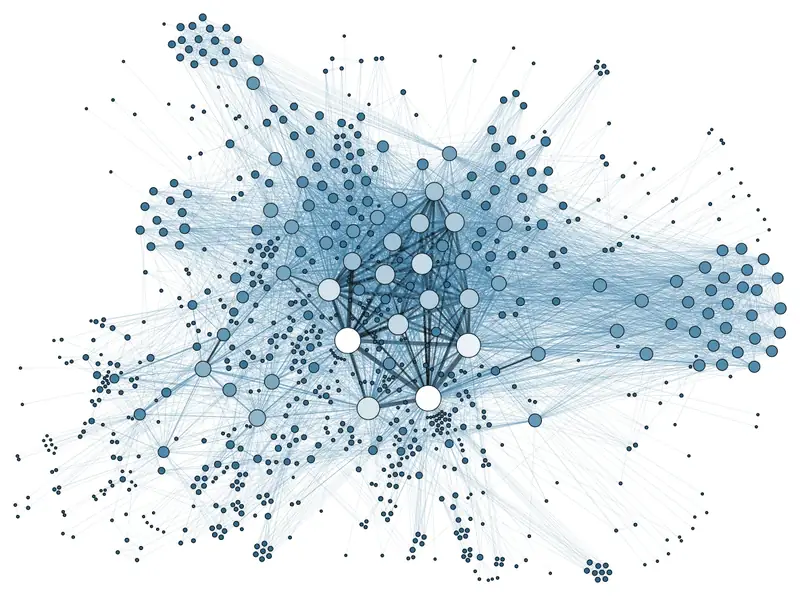
Ethical and Aesthetical Questions on Stock Images: The Case of AI’s Depictions
Liveable Futures: A Guiding Concept for Knowledge Infrastructures
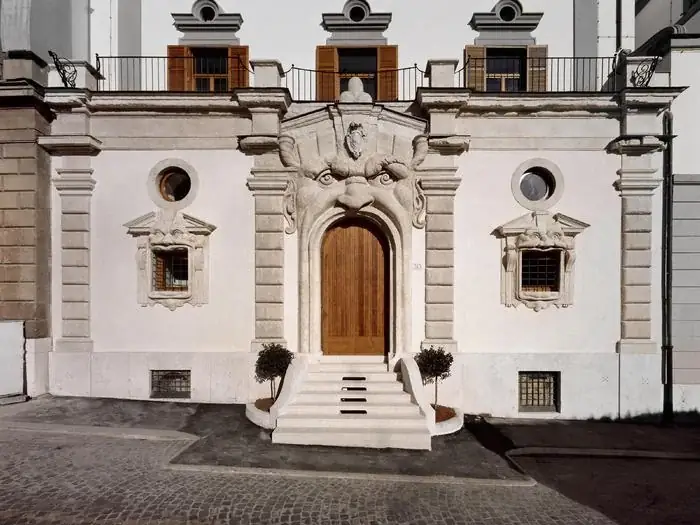
Mapping Techniques for an Automated Library Classification: The Case Study of Library Loans at Bibliotheca Hertziana
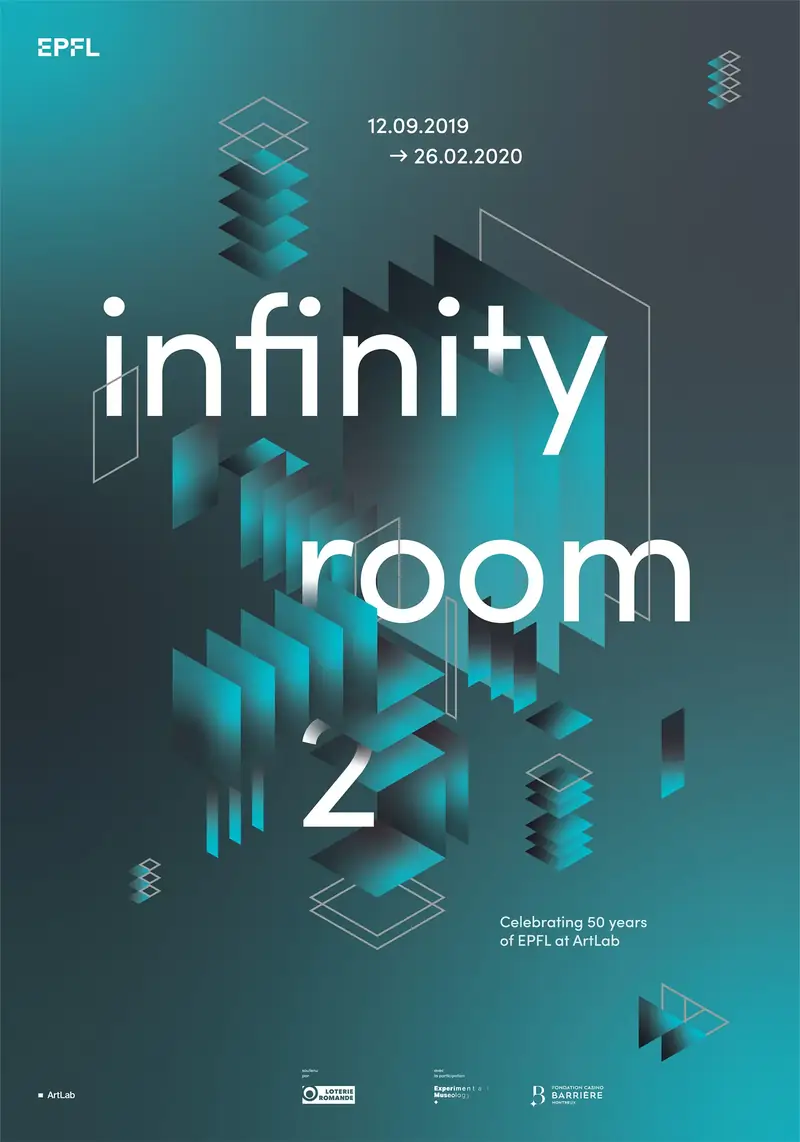
Super-Vision: Tracing EPFL History through 8,000 Doctoral Theses
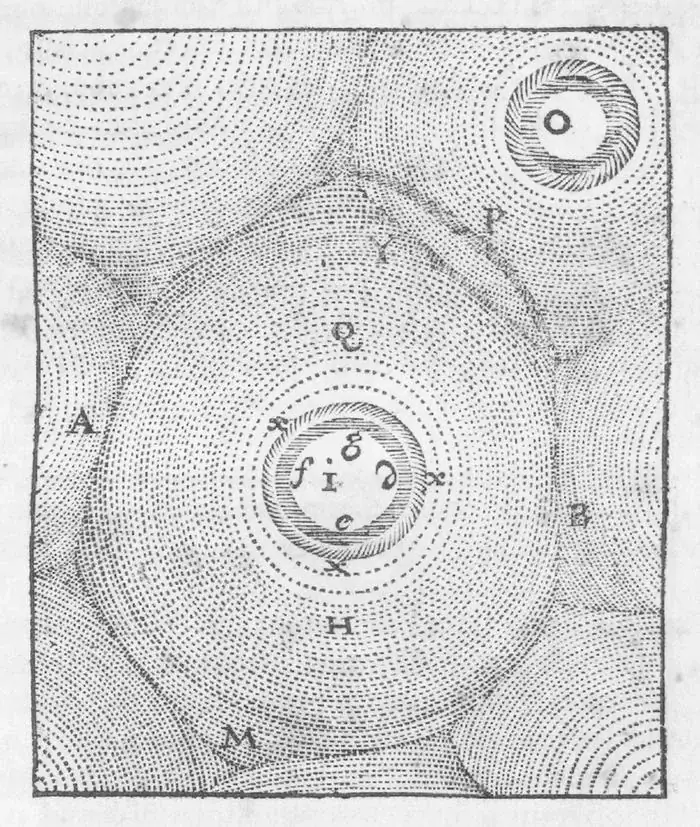
Advanced Interface Design for IIIF: A Digital Tool to Explore Image Collections at Different Scales
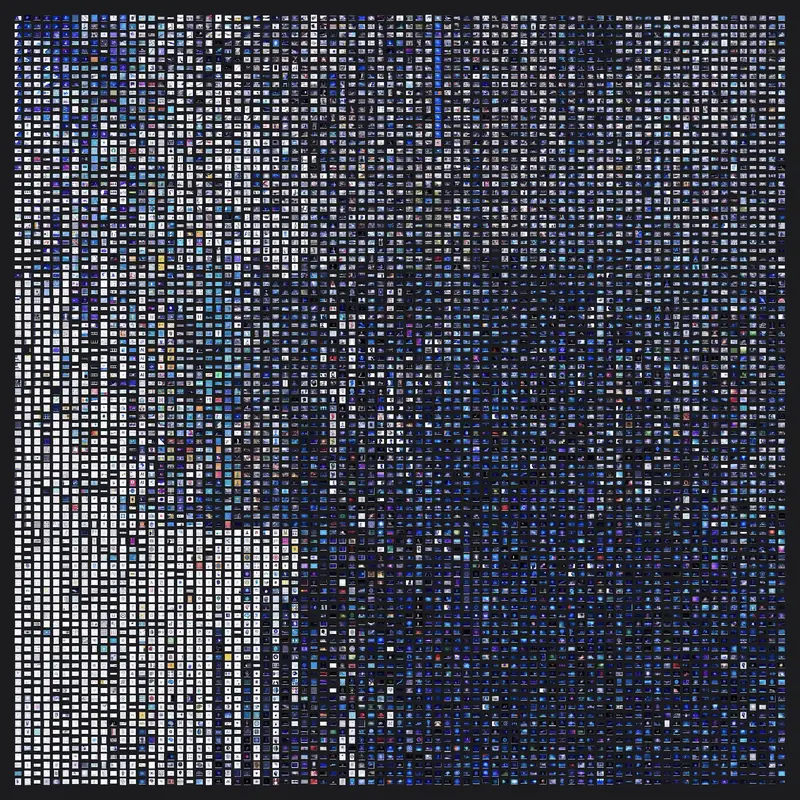
Fragmentation des visages et datafication du monde : considérations issues d’une analyse qualitative–quantitative d’images d’intelligence artificielle
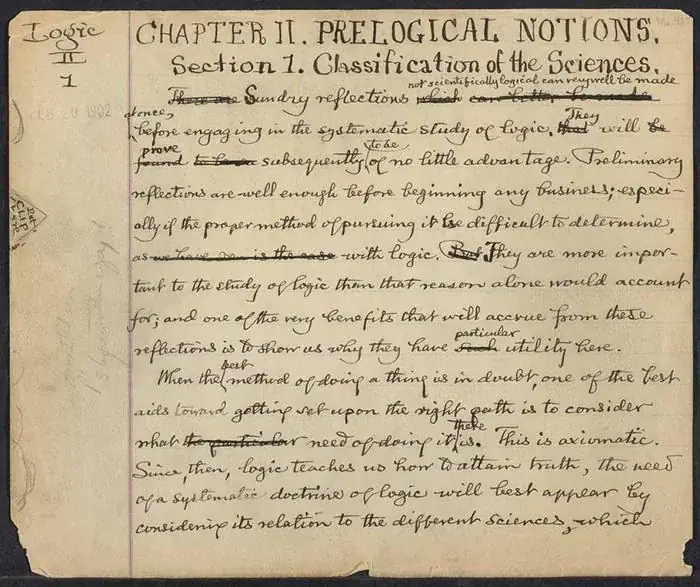
Orchestrating Cultural Heritage: Exploring the Automated Analysis and Organization of Charles S. Peirce’s PAP Manuscript

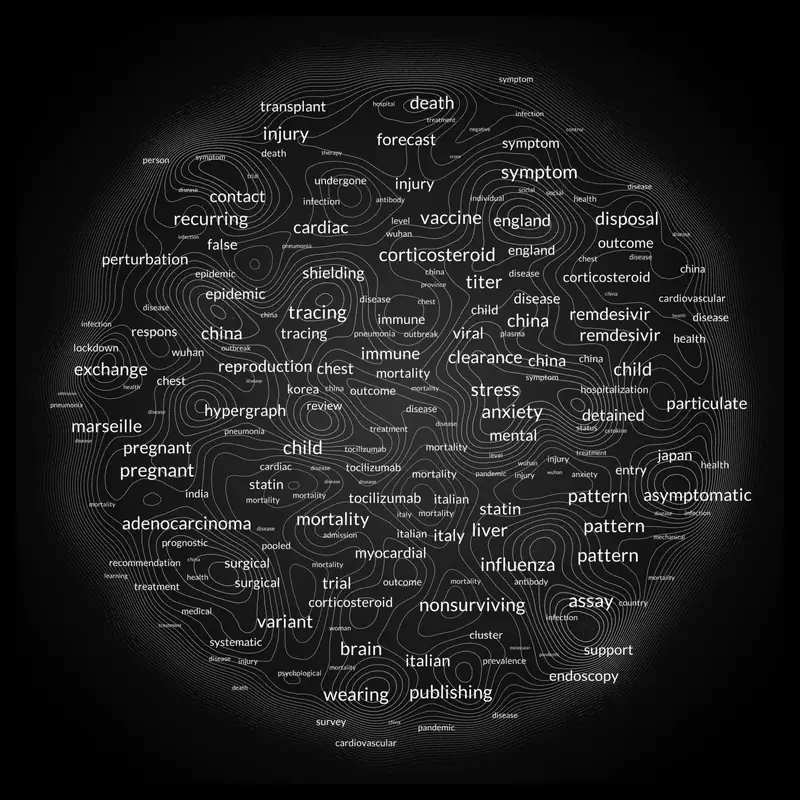
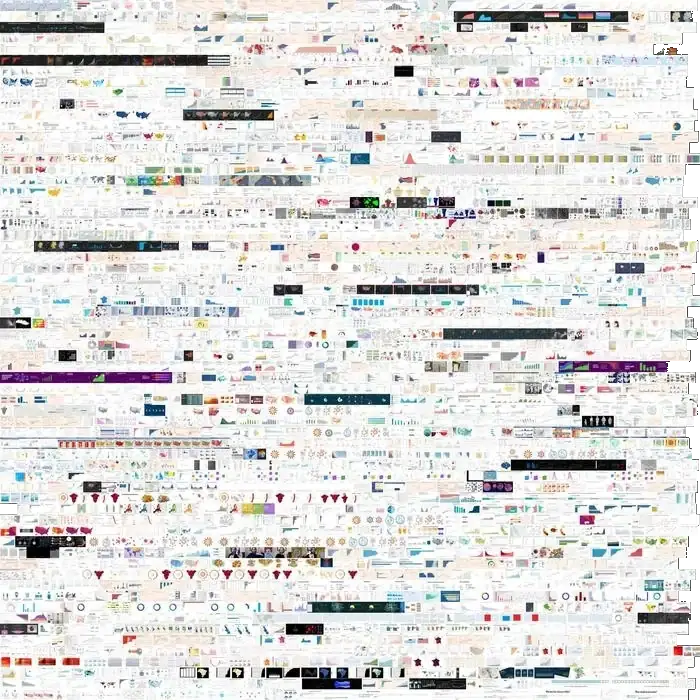
COVIC: Collecting Visualizations of COVID-19 to Outline a Space of Possibilities
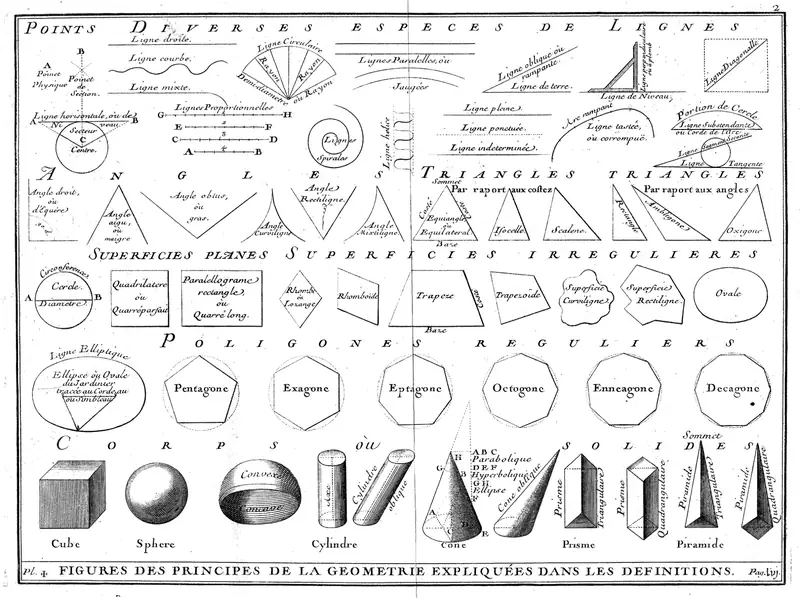
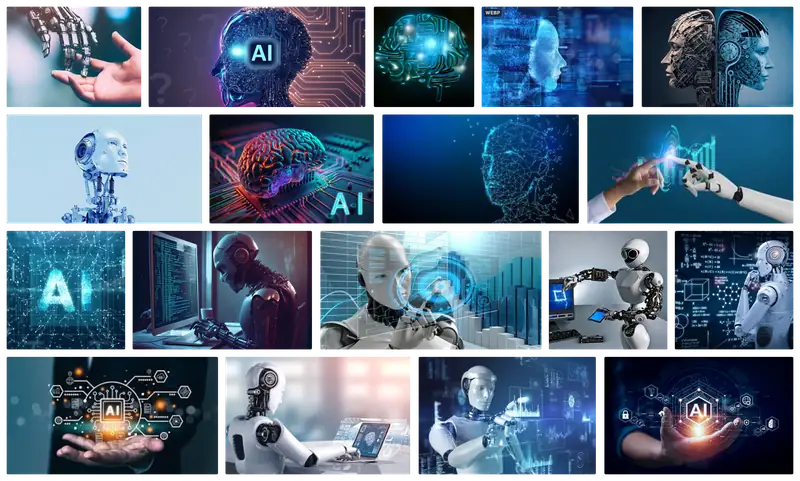
Frammentazione del viso e dataficazione del mondo: considerazioni a partire da un’analisi quali-quantitativa delle immagini di stock dell’intelligenza artificiale
From Wisdom to Data: Philosophical Atlas on Visual Representations of Knowledge
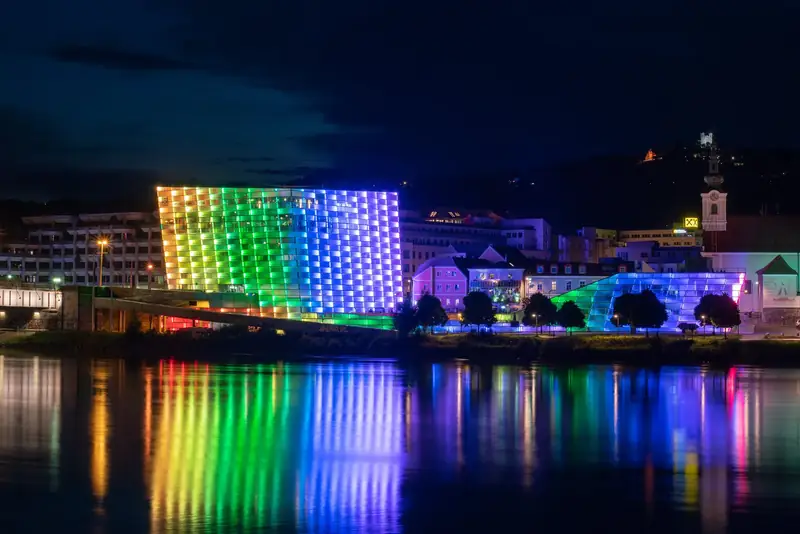
Immersive Architectures for Visual Data Literacy
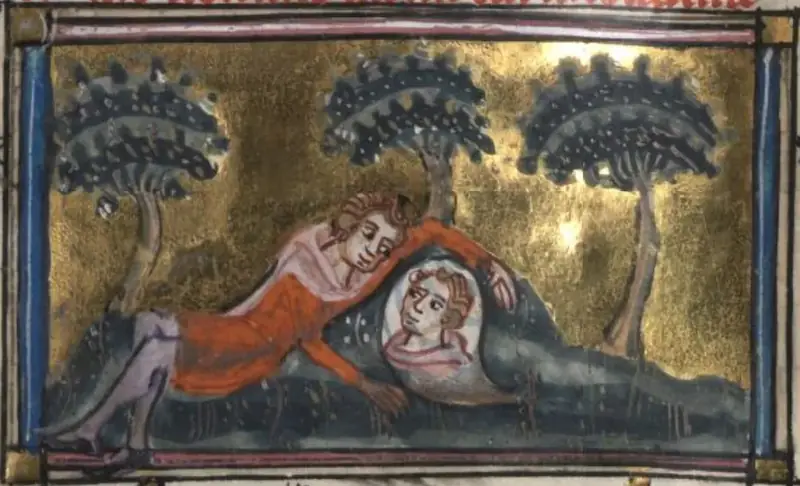
Le pseudo-narcissisme et internet. Y a-t-il vraiment de plus en plus de narcissiques ?
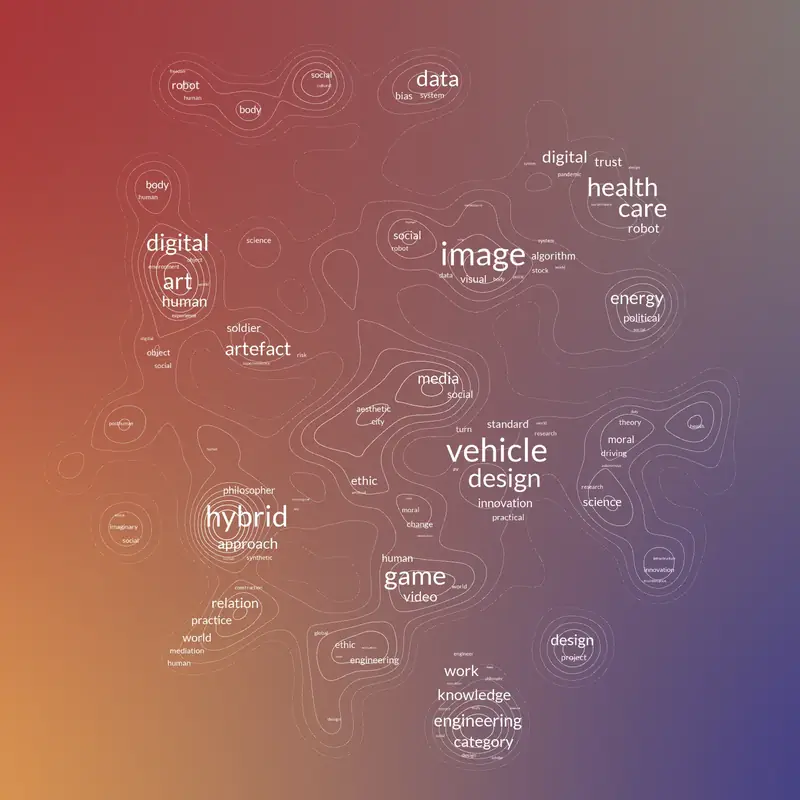
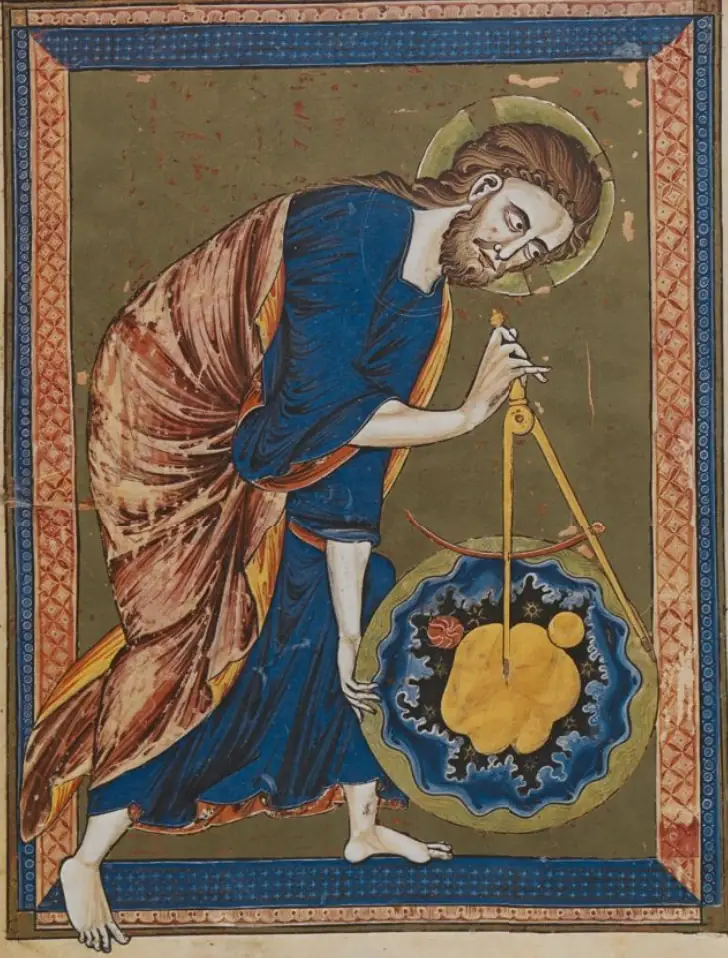
Stock Images of Artificial Intelligence: Ontological, Ethical, and Aesthetical Implications
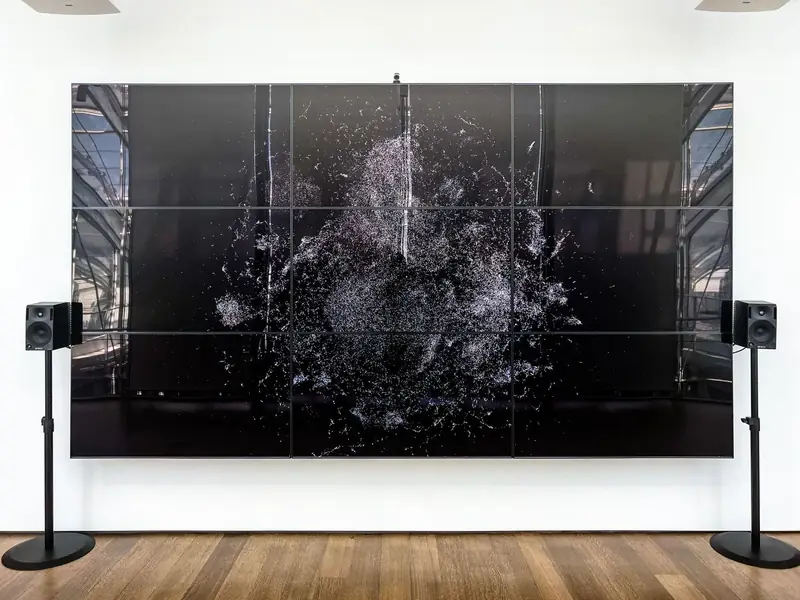
Surprise Machines: Revealing Harvard Art Museums’ Image Collection
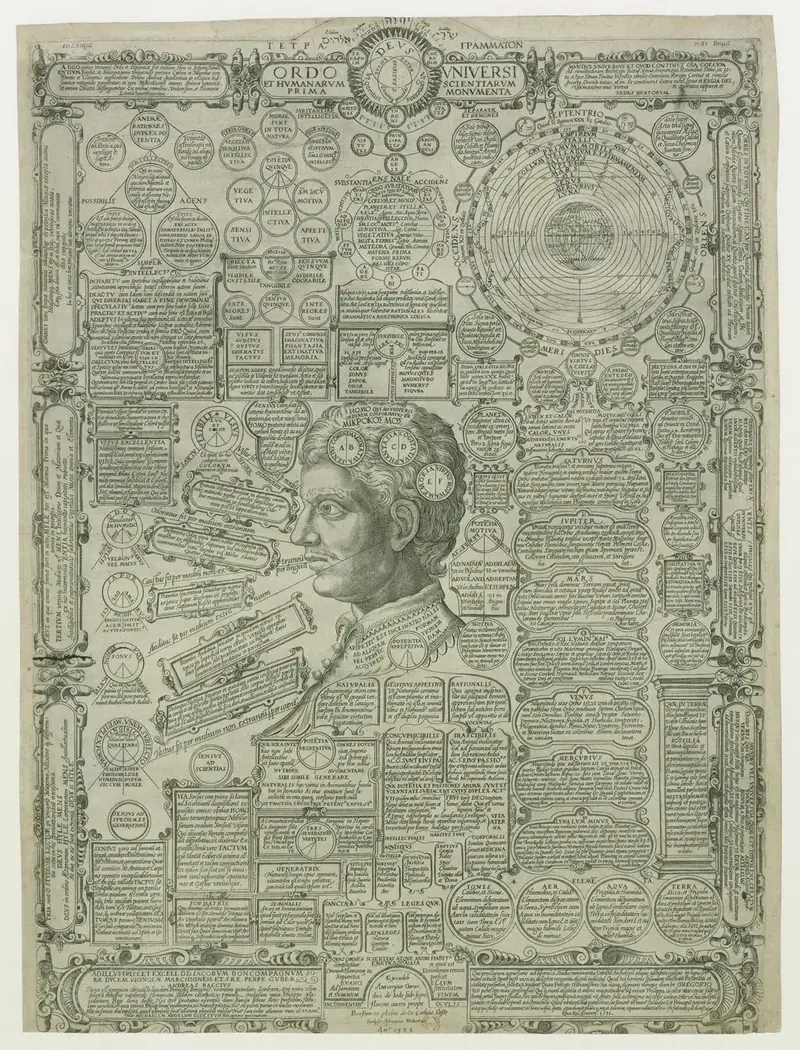
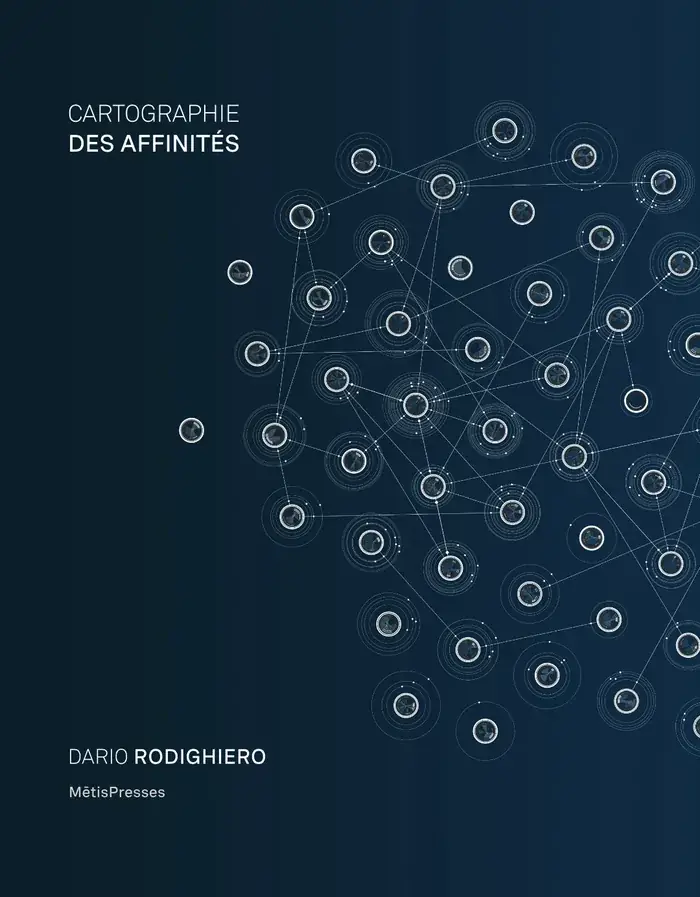
Cartographie des affinités : Démocratiser la visualisation des données
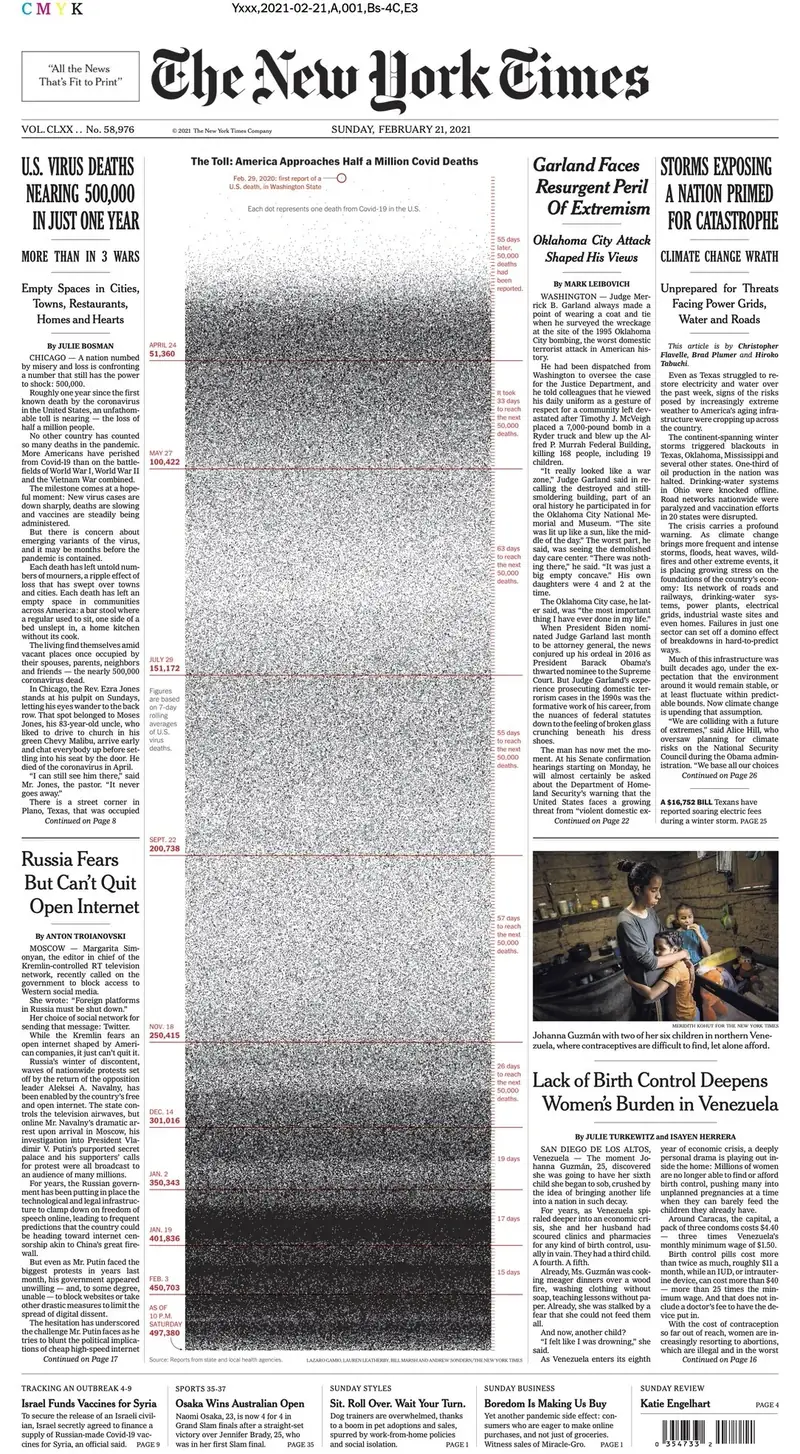
Making Visible the Invisible Work of Scientists during the COVID-19 Pandemic
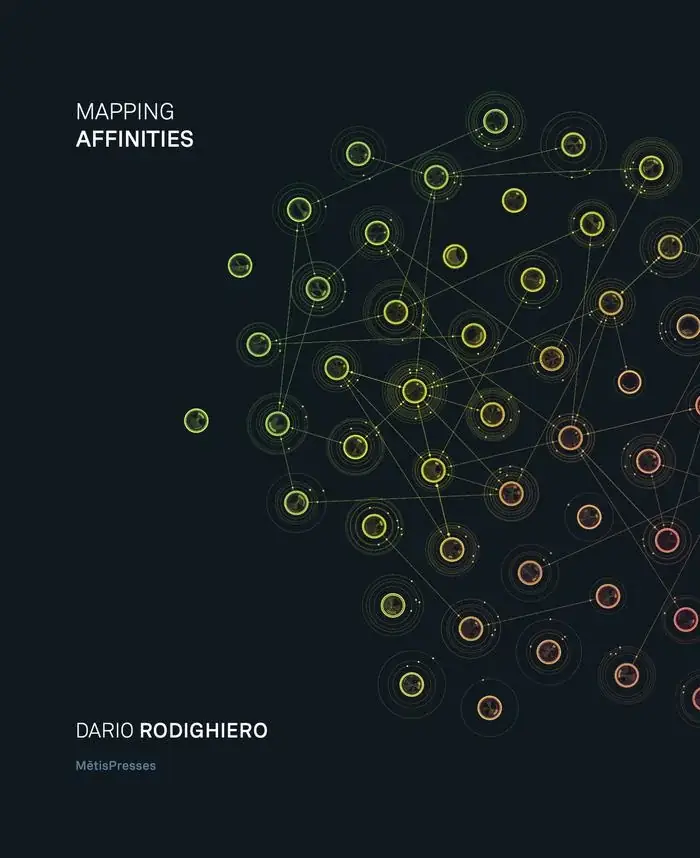
Immaginare gesti-barriera contro il ritorno alla produzione pre-crisi
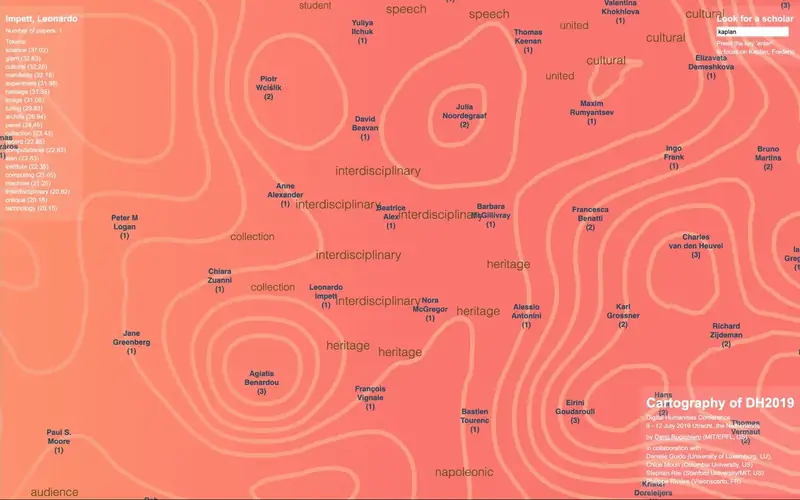
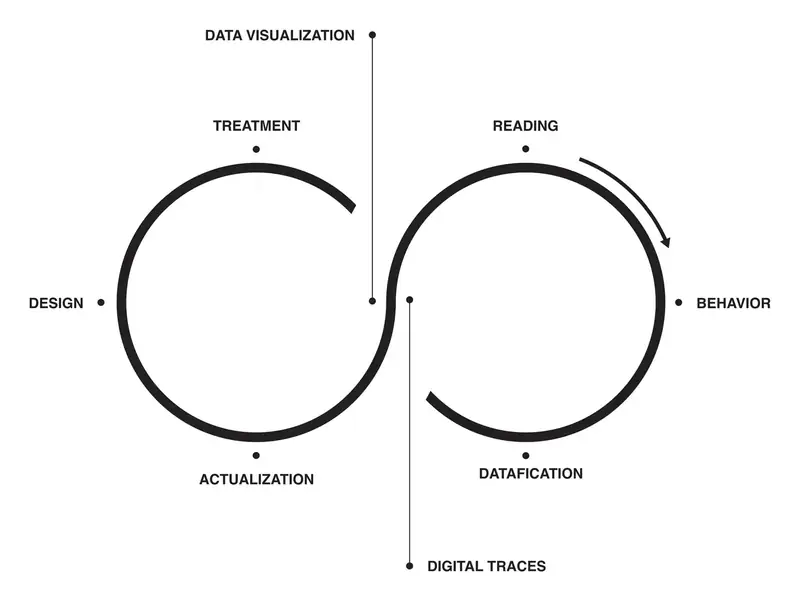
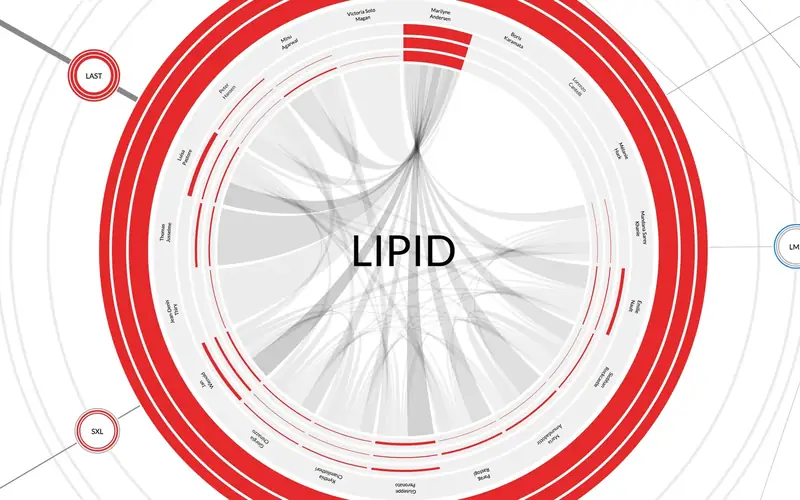
The Hermeneutic Circle of Data Visualization: The Case Study of the Affinity Map
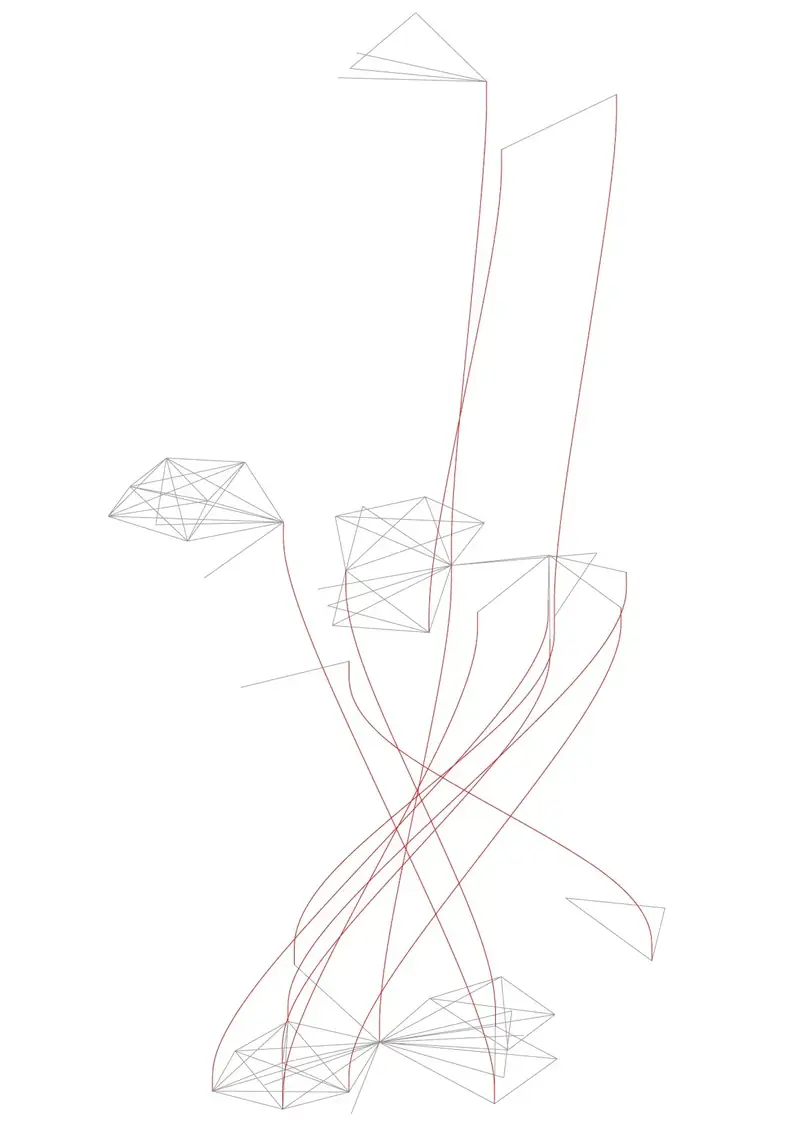
Self-Recognition in Data Visualization: How Individuals See Themselves in Visual Representations
Circulation of Opinions in Visualization Reading
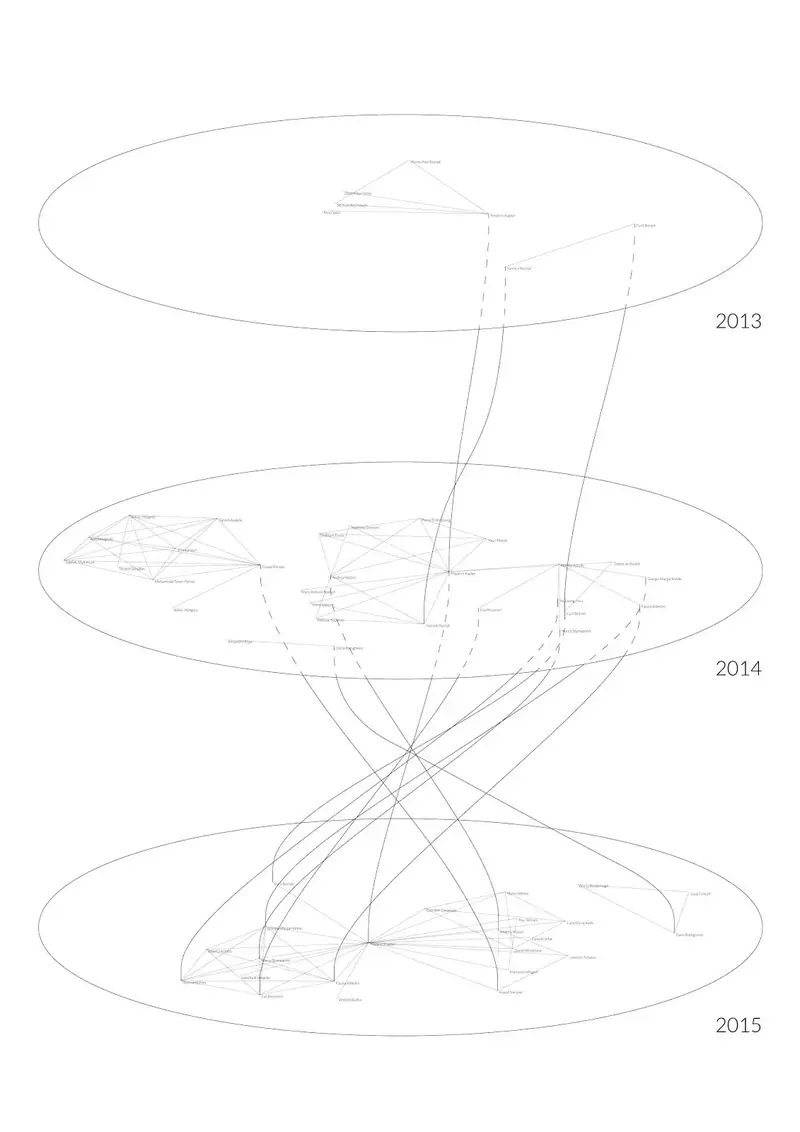
The Trajectories Tool: Amplifying Network Visualization Complexity
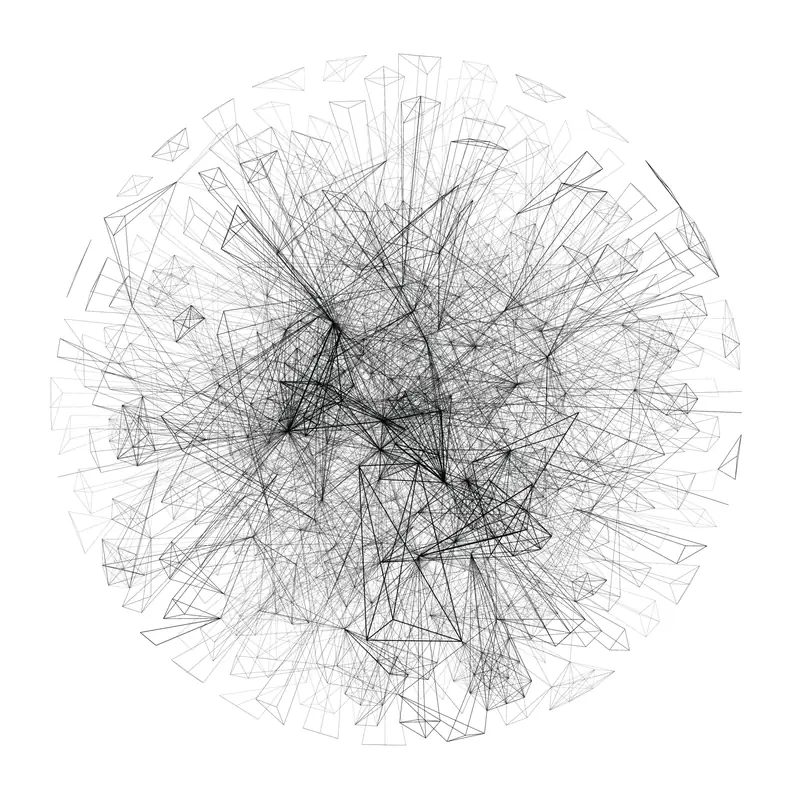
Mapping for Multi-Source Visualization: Scientific Information Retrieval Service (SIRS)
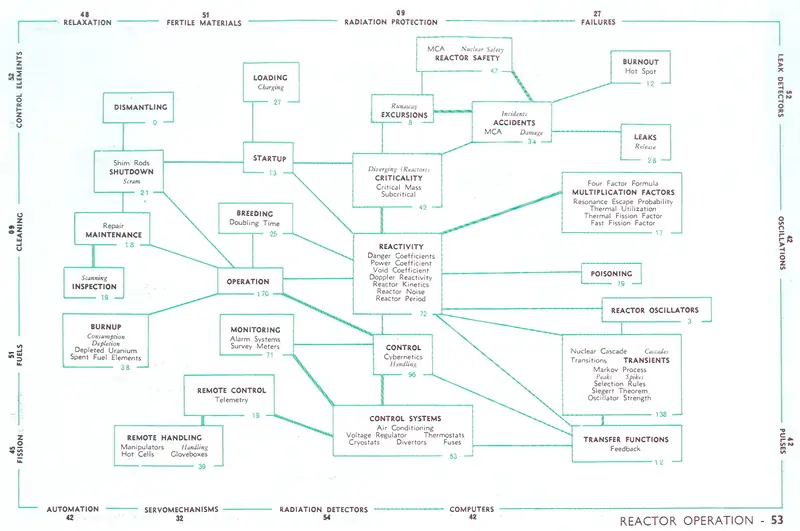
Role of Thesauri in a Scientific Organization
No publications match your search.