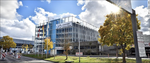
Computational Medical Imaging Research (Albarqouni Lab)
Clinic for Diagnostic and Interventional Radiology
University Hospital Bonn
Faculty of Medicine
University of Bonn
The Albarqouni Lab, based at the
Clinic for Diagnostic and Interventional Radiology at the
University Hospital Bonn, conducts research at the intersection of medical imaging, artificial intelligence, and collective intelligence.
The lab’s mission is to develop the next generation of computational imaging algorithms that improve clinical decision-making while remaining privacy-preserving, robust, and globally accessible.
Inspired by principles of distributed intelligence, the lab views AI systems not as isolated models, but as collaborative ecosystems—where knowledge is learned locally, shared responsibly, and aggregated to benefit patients and healthcare systems worldwide. This perspective directly informs the lab’s work in federated learning, affordable AI, and trustworthy medical imaging.
The Albarqouni Lab is affiliated with the Munich School for Data Science (MUDS), the Medical Imaging Center Bonn (MIB), and the European Laboratory for Learning and Intelligent Systems (ELLIS).
Research Focus Areas
Research at the Albarqouni Lab is structured around three complementary pillars:
-
Computational Medical Imaging
The lab develops automated and data-efficient imaging methods that enhance accuracy, robustness, and reproducibility in clinical workflows. Key challenges addressed include limited and noisy annotations, inter- and intra-observer variability, class imbalance, scanner heterogeneity, and domain shift across institutions. -
Federated Learning in Healthcare
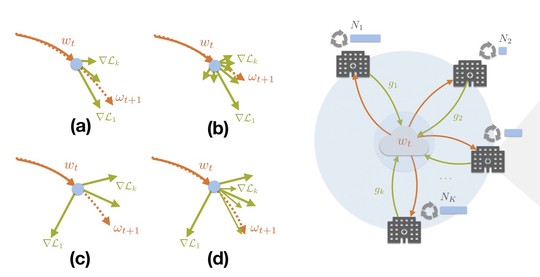
The lab advances decentralized learning frameworks that enable multiple institutions and AI agents to learn collaboratively without sharing raw data. Research topics include robustness to data heterogeneity, explainability, quality control, resilience to adversarial or poisoning attacks, and reliable deployment in real-world clinical environments. -
Affordable AI for Global Health
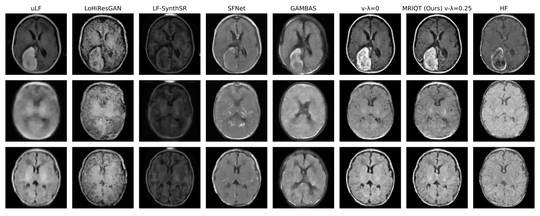
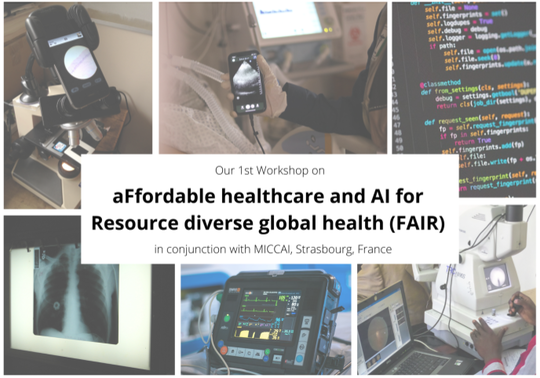
A core commitment of the lab is to design AI solutions that remain effective under resource constraints, including low-quality data, limited infrastructure, and point-of-care settings. This work aims to ensure that advances in medical AI are inclusive, scalable, and impactful beyond high-resource healthcare systems.
Meet the lab members
Computational Imaging Reserach (Albarqouni Lab)
Principal Investigator
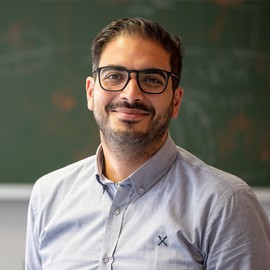
Shadi Albarqouni
Professor of Computational Medical Imaging Research at University of Bonn | fmr. AI Young Investigator Group Leader at Helmholtz AI | Affiliate Scientist at Technical University of Munich
AI in Medicine, Federated Learning, Affordable AI and Healthcare
Researchers
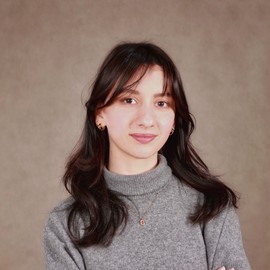
Adea Nesturi
PhD Candidate
Deep Learning for Medical Image Analysis., AI for Healthcare., Computer Vision

Amine Ben Dhiab
Master Thesis Student

Ashkan Shakarami
Postdoctoral Fellow
Artificial General Intelligence, Computer Vision, Neural Networks, Computer-Aided Diagnosis, Histopathology, Ophthalmology
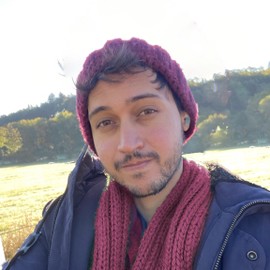
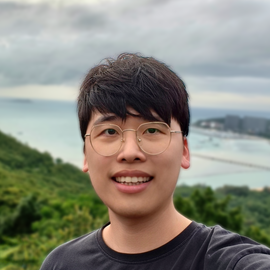
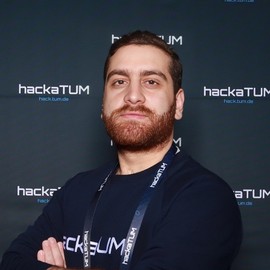
Malek Al Abed
Research Associate
Artificial Intelligence for Healthcare, Deep Learning, Computer Vision
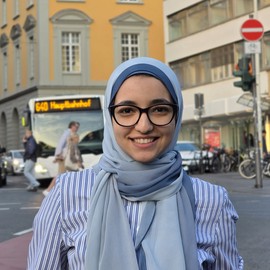
Mayar Abdeldayem
Master Thesis Student

Somayeh Zamani
Research Associate
Clinical AI Assistants for Healthcare, Machine Learning for Medical Applications, Graph Neural Networks, Explainable AI
Clinical Collaborators

Barbara Wichtmann
Fachärztin für Radiologie at Universitätsklinikum Bonn

Hemmen Sabir
Professor and Head of Experimental Neonatology

Hyun Ko
Radiology Clinician Reseacher at Peter MacCallum Cancer Centre, Australia

Martina Herwig-Carl
Professor, Oberärztin der Augenklinik am Universitätsklinikum Bonn

Valentin Schäfer
Professor and Head of the Department of Rheumatology and Clinical Immunology at the Clinic of Internal Medicine III at Universitätsklinikum Bonn
Alumni

Anna Bodonhelyi
Research Assistant (HiWi)

Anna Lisitsyna
Research Scientist

Aya ELGebaly
Master’s Thesis Student

Carlos Fernández Del Cerro
Visiting PhD Student

Cosmin Bercea
Researcher

Diletta Chiaro
Visiting PhD Student
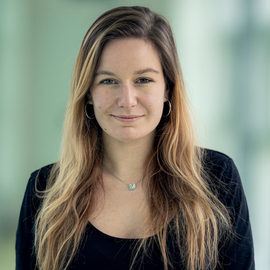
Elodie Germani
Postdoctoral Researcher

Elyes Farjallah
Research Assistant (HiWi)

İlayda Selin Türk
Master Thesis Student

Mazen Soufi
Visiting Scientist

Mert Ikinci
Master Thesis Student

Mohammad Taha
Bachelor Student

Nada El Darra
Visiting Scientist

Parinishtha Bhalla
Master Thesis Student and Research Assistant (HiWi)
Pranav Kirti
Visiting Researcher & Fulbright Scholar

Qiongkai Xu
Visiting PhD Student and Research Fellow of Security in NLP

Razieh Rezaei
Researcher

Sarah Schaab
Master Student and Research Assistant (HiWi)

Simone Löhlein
Master Student

Tariq Bdair
Researcher

Tobias Bernecker
Master Student

Ziqi Wang
Visiting PhD Student
Latest News
- Our two submitted papers got accepted at the 29th International Conference on Medical Image Computing and Computer Assisted Intervention (MICCAI) in Strasbourg, France (Accpetance rate: 29%)
- Shadi delivered an Invited Talk at FAIBI workshop at IEEE ISBI in London, UK
- Shadi has been appointed as an Associate Editor at IEEE Transaction on Medical Imaging (IEEE TMI)
- Shadi is serving as an Area Chair at NeurIPS'26
- Our Paper on PDAC got accepted at Scientific Report – Congrats to David and Pari
- Our three submitted papers got accepted as Oral Presentations at The 23rd IEEE International Symposium on Biomedical Imaging (ISBI), London, United Kingdom
- One Paper got early accepted (Top 9%) at The 28th International Conference on Medical Image Computing and Computer Assisted Intervention (MICCAI 2025), Daejeon, South Korea
Research Themes
Active Research Themes. Thanks to our great collaborators!
Affordable AI and Healthcare
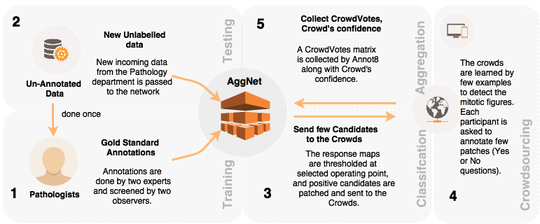
Deep Federated Learning in Healthcare
Learn to Reason and Explain
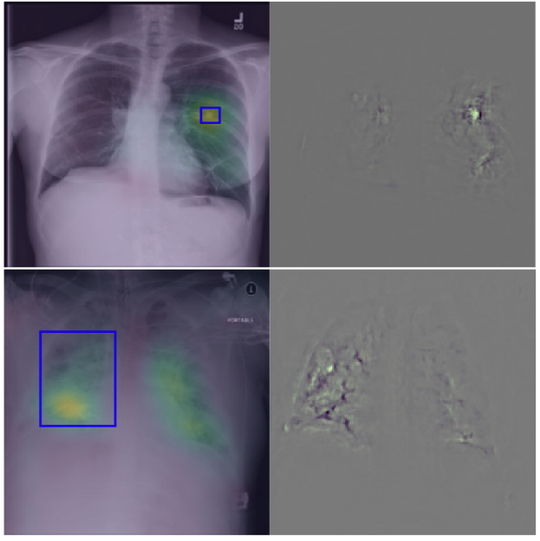
Learn to Recognize
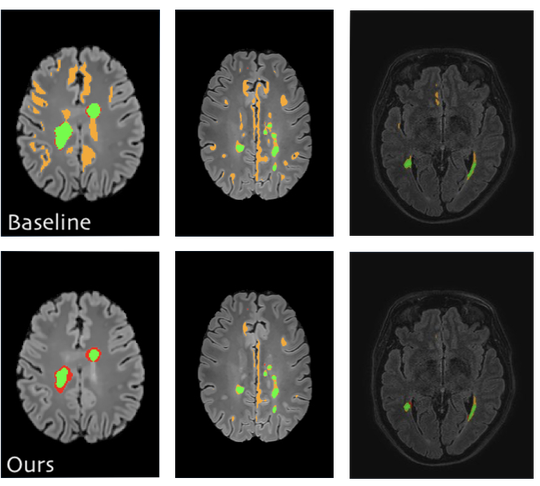
Funded Research Projects
Thanks to the 3rd party funding from EU, DFG, DAAD, BMBF, AGYA, GIZ and BaCaTec
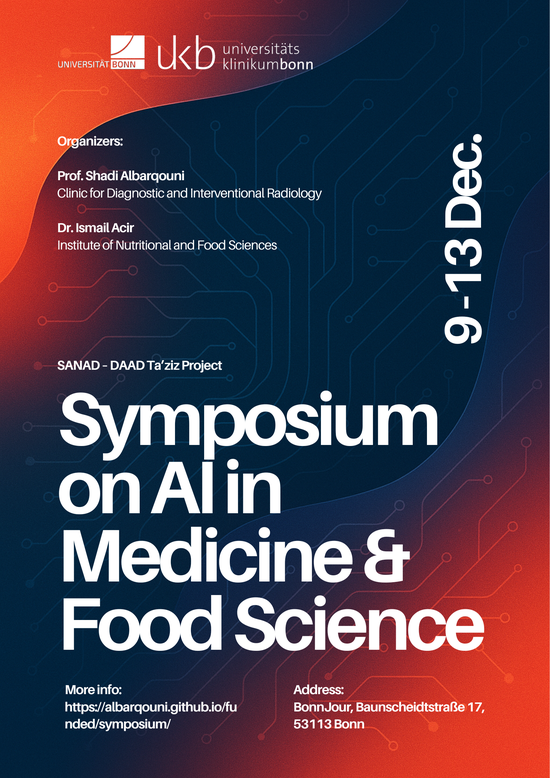
Symposium on AI in Medicine & Food Science
Time: All times correspond to local Bonn time (CET) Day 1 — Tuesday, 9 December 2025 Arrival & Check-in 📍 Youth Hostel Bonn, Haager Weg 42, 53127 Bonn Day 2 — Wednesday, 10 December 2025 Symposium on AI in Medicine
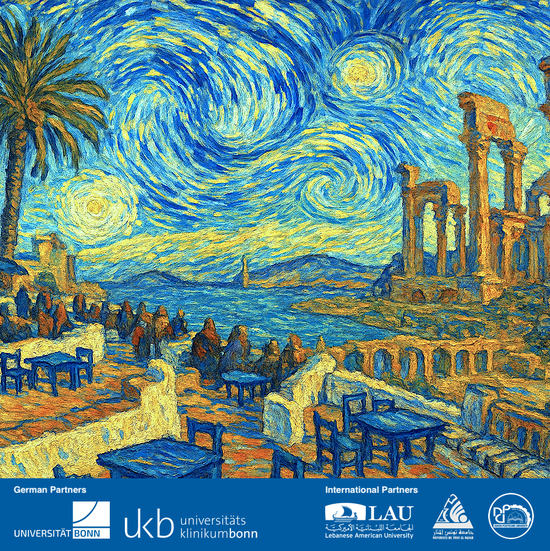
Summer School on Biomedical Imaging with Deep Learning (BILD)
DAAD Funded Project (2025-2025)
Strategic Arab-German Network for Affordable and Democratized AI (SANAD)
DAAD Funded Project (2025-2025)
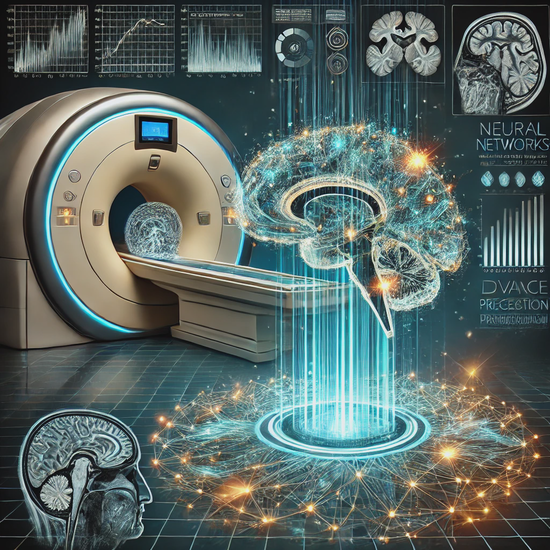
Application of AI and Advanced MRI for a Better Prediction of Disease Progression in Neurological Disorders
Bonn International Fellowships (2024 - 2025)
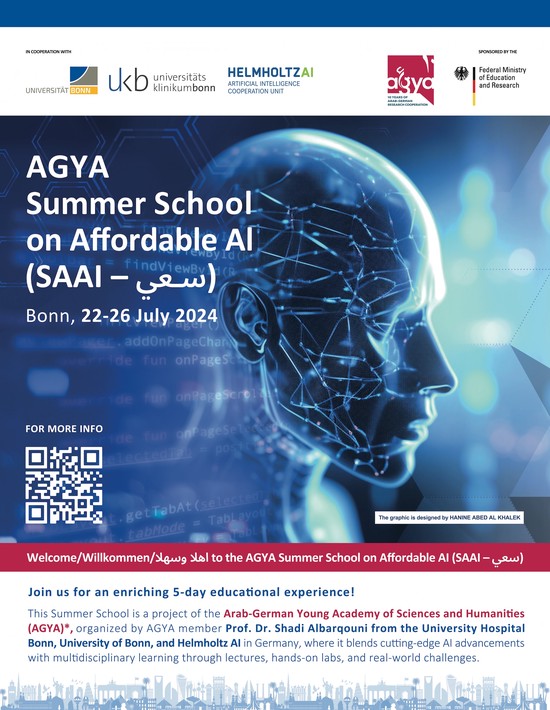
Summer School on Affordable AI (SAAI)
BMBF Funded Project with the Arab-German Young Academy for Science and Humanities (2024-2024)
Open Medical Inference (OMI)
BMBF Funded Project through Medical Informatics Initaitive (MII) consortia (2024-2028)
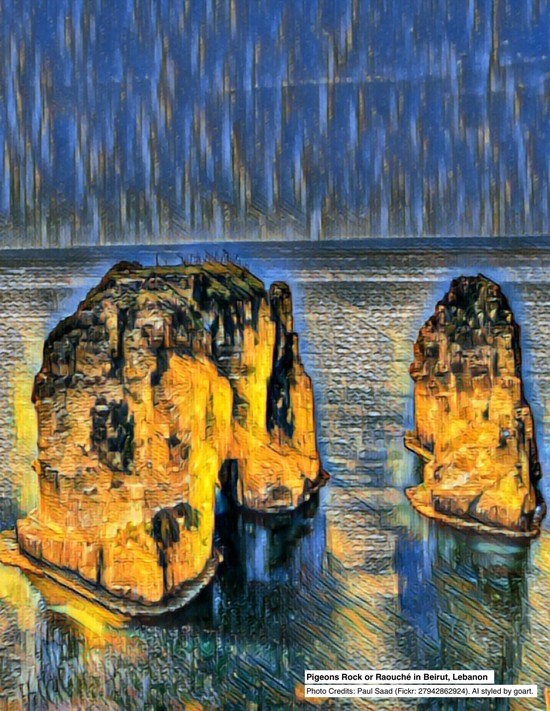
Affordable AI and Collaborative Federated Learning for Global Healthcare (EEDA)
DAAD Funded Project with Beirut Arab University, Lebanon (2023-2023)

Deep learning to estimate aging from chest imaging
The 3-year DFG Funded project with UniKlinikum Freiburg (2023-2026)
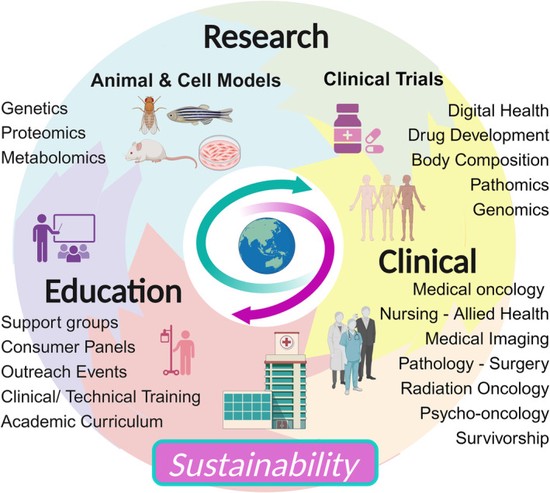
Utilising Artificial Intelligence in Cancer Imaging To Improve Patient Outcomes
Bonn-Melbourne Research Excellence Fund (2023-2024)
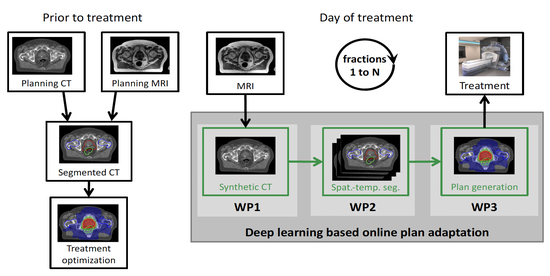
Development of a Deep Learning Toolkit for MRI-Guided Online Adaptive Radiotherapy
The 3-year DFG Funded project with LMU and TU Munich (2022-2025)
BigPicture Project
The 6-year EU Funded €70 million project called BIGPICTURE will herald a new era in pathology
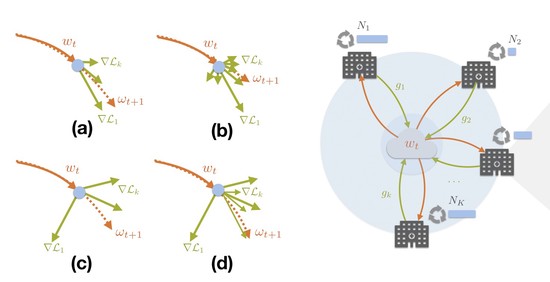
Deep Federated Learning in Healthcare
This 5 years Helmholtz funded project to advance the field with Federated Learning algorithms in Medicine (2020-2025)
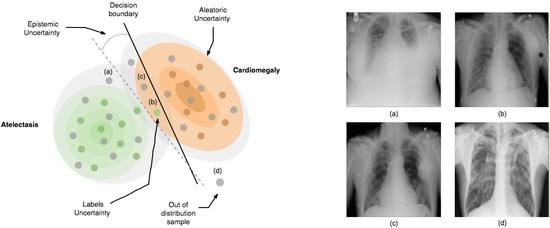
Modelling Uncertainty in Deep Learning for Medical Applications
DAAD Funded Project with ETH Zürich and Imperial College London (2020-2022)
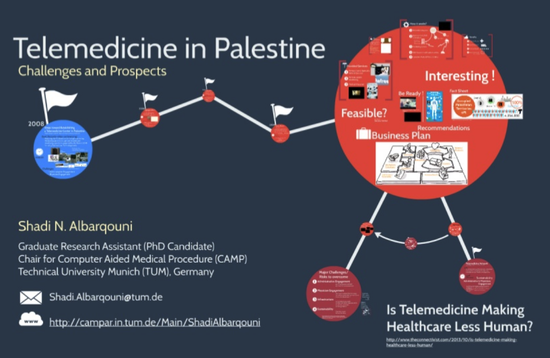
Telemedicine in Palestine
Telemedicine in Palestine from Shadi Nabil Albarqouni Collaboration: Funding:
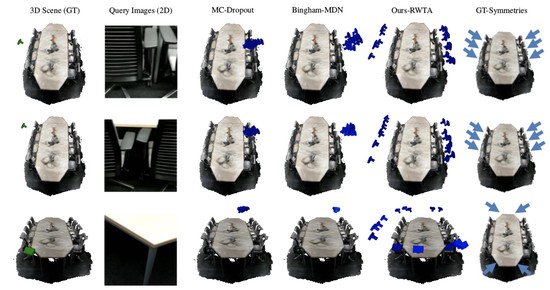
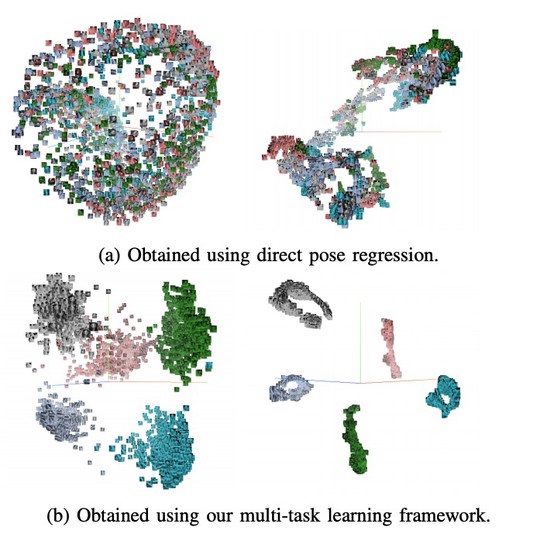
Uncertainty Aware Methods for Camera Pose Estimation and Relocalization
BaCaTeC Funded Project with Stanford University and Siemens AG (2020-2021)
Students
Teaching courses, Theses, and Internships
Lab: Computational Medical Imaging (CoMI)
Seminar: Artificial Intelligence in Radiology: Applications and Research
Block Course: AI in Medicine (AiM): Foundations, Methods, and Critical Perspectives
Seminar: Computational Medical Imaging (CoMI)
Special Version: AI in Radiology – From Pixels to Decisions (AiR-GUC Edition)
Community Engagement
Professional Services and Invited Talks
Our Lab at MICCAI 2026 in Strasbourg
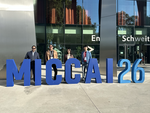
Two Awards to Attend MICCAI 2026 in Strasbourg
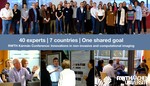
Invited Talk at Karman Conference on Innovations in non-invasive and computational imaging
BONFOR Symposium & Promotionsbörse in Bonn
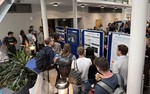
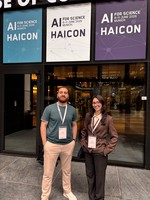
HAICON 2026 – AI for Science Conference
Featured Publications
Lvm-med: Learning large-scale self-supervised vision models for medical imaging via second-order graph matching
Digital staining of white blood cells with confidence estimation
Guest Editorial Special Issue on Federated Learning for Medical Imaging: Enabling Collaborative Development of Robust AI Models
FLamby: Datasets and Benchmarks for Cross-Silo Federated Learning in Realistic Healthcare Settings
Joint Self-Supervised Image-Volume Representation Learning with Intra-Inter Contrastive Clustering
Federated disentangled representation learning for unsupervised brain anomaly detection
What can we learn about a generated image corrupting its latent representation?

Autoencoders for Unsupervised Anomaly Segmentation in Brain MR Images: A Comparative Study
FedPerl: Semi-Supervised Peer Learning for Skin Lesion Classification

Multi-task multi-domain learning for digital staining and classification of leukocytes
The Future of Digital Health with Federated Learning
Fairness by Learning Orthogonal Disentangled Representations
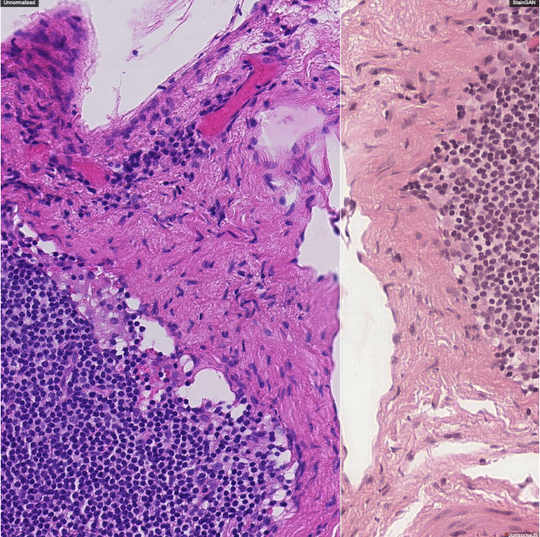
Seamless Virtual Whole Slide Image Synthesis and Validation Using Perceptual Embedding Consistency
Recent Publications
Open Positions
Admin., Research Assistants, PhDs, Postdocs, and Medical Research Assistants. We do accept applications on an on-going basis, so feel free to send your motivation letter, resume, and your transcript via email or here.
CIR/01/2026: Ph.D. position in AI in Medicine: Foundation Models (m/f/d)